


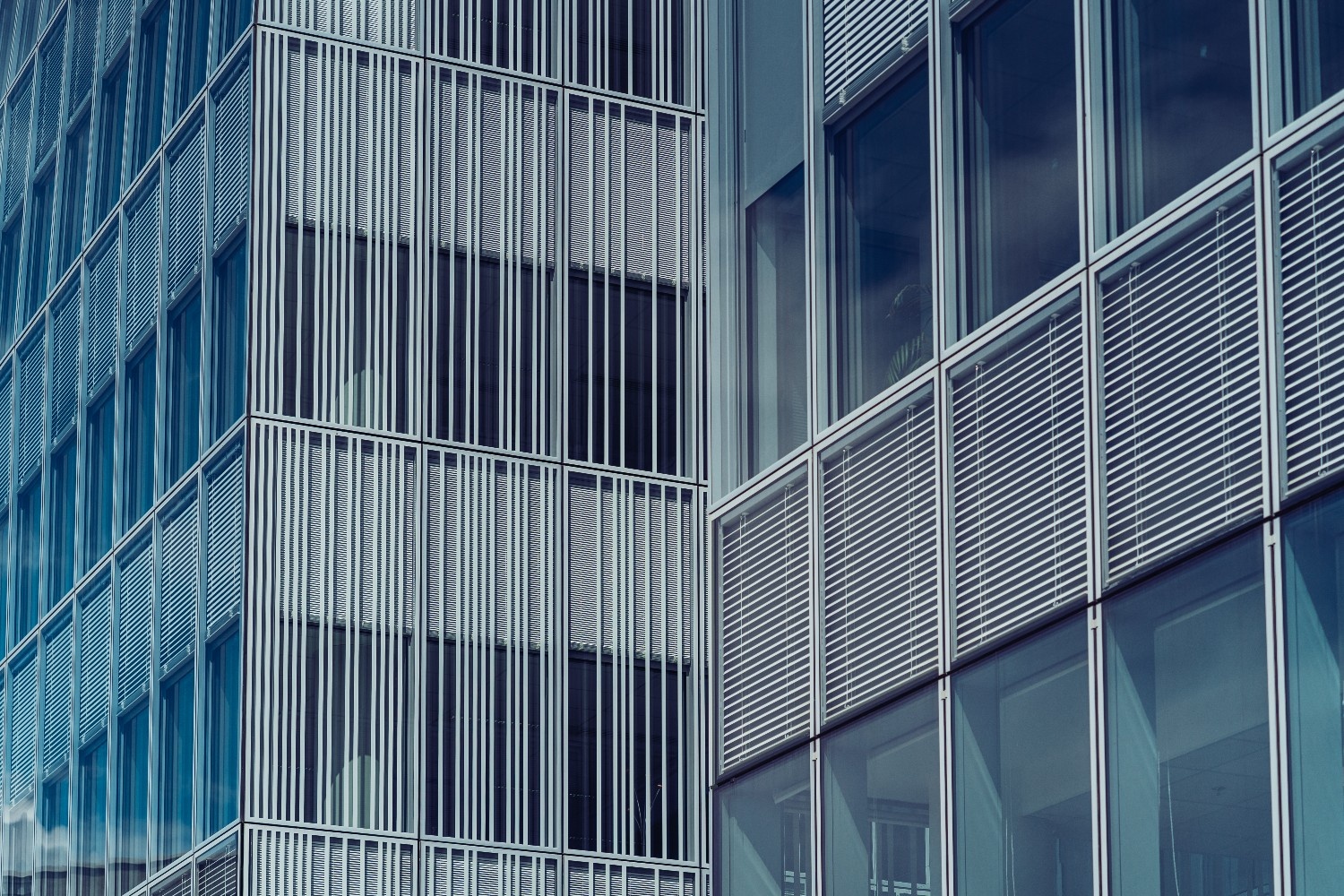
When planning a new building, the choice of external materials is one of the most important decisions a developer will make. The exterior cladding does more than just finish a structure’s look; it protects the building, influences energy performance, and affects long-term maintenance costs. In recent years, many developers in the UK and around the world have been turning to aluminium cladding as their preferred solution. This trend reflects a combination of practical, aesthetic and environmental factors that make aluminium an appealing option for modern projects of all sizes.
In this article, we’ll explain why more developers are choosing aluminium cladding, how it performs in real-world conditions, and what advantages it offers compared with alternative materials.
What Is Aluminium Cladding?
Aluminium cladding refers to thin panels made from aluminium that are fixed to the outside of a building. These panels can be plain or insulated, single skin or part of a rainscreen system, and they are used on commercial, residential and industrial buildings alike.
Aluminium is valued in construction because it combines strength with light weight. Unlike some traditional materials such as brick or stone, aluminium panels do not add significant weight to the structure, making them easier to transport and install.
This lightweight nature also reduces stress on foundations and supporting structures. As a result, construction can be more efficient and cost-effective, and deadlines can often be met more reliably.
Durability and Weather Resistance
One of the main reasons developers choose aluminium cladding is its long-lasting durability. Aluminium naturally forms a protective oxide layer that resists corrosion. This means it will not rust or degrade when exposed to rain, wind, UV radiation or temperature changes. As a façade material, it is designed to withstand the harsh conditions often found in the UK, where the weather can change quickly and without warning.
Unlike timber or some composite materials, aluminium does not rot, warp or become discoloured over time. This reliability helps to protect the underlying building structure and keeps maintenance costs low over many years.
Aesthetic Versatility and Customisation
Architects and developers appreciate aluminium for its flexibility in design. The material can be manufactured in a wide range of colours, finishes and textures, allowing it to match a project’s aesthetic vision. Whether a building needs a sleek, modern look or a more traditional appearance, aluminium cladding can be tailored to suit the design requirements.
Aluminium panels can also mimic the appearance of wood or stone, offering the look of natural materials without the drawbacks such as high maintenance or susceptibility to weathering. This customisability makes aluminium suitable for a variety of architectural styles and building types.
Low Maintenance and Long-Term Savings
Another key advantage for developers is the low maintenance required for aluminium cladding. Once installed, aluminium typically only needs periodic cleaning to keep its appearance fresh. It does not require painting, sealing or frequent repairs, unlike timber or painted steel alternatives.
This low maintenance translates into long-term savings. Building owners and property managers spend less on upkeep, and the façade continues to look good without costly interventions. For commercial projects, this means fewer disruptions to tenants and less expenditure over the lifetime of the structure.
Fire Safety and Compliance
Safety is always a priority in construction, and the cladding material plays a role in meeting fire regulations. Aluminium is a non-combustible material in itself, and modern aluminium cladding systems are often paired with fire-resistant cores or insulation to meet stringent safety standards.
Meeting the latest Building Regulations in the UK and international standards makes aluminium a safer option, particularly for high-rise developments and public buildings where fire performance is carefully scrutinised.
Energy Efficiency and Sustainability
Energy efficiency is a growing consideration in construction. Buildings that perform well thermally not only reduce running costs but also contribute to environmental goals. When aluminium cladding is used with appropriate insulation, it can enhance a building’s thermal performance. This means less heat loss in winter and reduced cooling requirements in warmer months, leading to lower energy bills and greater comfort for occupants.
Aluminium also scores highly on sustainability because it is 100% recyclable without losing strength or quality. Recycling aluminium uses far less energy than producing new material, reducing the overall environmental impact. By choosing aluminium cladding, developers support a more circular economy and align with sustainability goals that are increasingly required by building standards and clients.
Faster Installation and Reduced Project Timelines
Time is a significant factor in construction, and aluminium offers an advantage here too. Because the panels are lightweight and can be prefabricated to exact specifications, installation is generally quicker than heavier materials such as stone or masonry.
Faster installation helps reduce labour costs and decreases the time that other trades wait on façade completion. This can be especially important when projects are on tight schedules, or when weather conditions might otherwise delay traditional building processes.
Improved Protection Against Moisture and Weather
In the UK climate, moisture ingress can be a serious concern. Aluminium cladding systems often form part of a ventilated rainscreen façade that allows air to circulate behind the panels while protecting the building from rainwater. This setup not only stops water from reaching the structure but also helps avoid problems such as damp and mould that can occur when moisture builds up in walls.
By creating a strong barrier against the elements, aluminium cladding contributes to the long-term health of the building fabric.
Increasing Property Value and Market Appeal
A well-designed building envelope can significantly enhance the visual appeal and market value of a property. Aluminium cladding is associated with contemporary, high-quality finishes, which can attract tenants, buyers or investors. In commercial developments, a striking façade can also strengthen a brand’s presence in the market.
The durability and low maintenance of aluminium make it an attractive proposition for buyers and leaseholders, as they see future savings and reduced headache over property care.
Sector Versatility
Aluminium cladding is not limited to one type of project. Residential buildings benefit from its modern appearance and insulation properties. Commercial developments, such as offices and retail spaces, gain from its sleek aesthetic and durability. In institutional and industrial settings, the material’s resilience and fire safety credentials make it a solid choice. Across sectors, aluminium cladding meets both functional and aesthetic needs. (Brittany Bathgate)
Choosing the Right Cladding System
While aluminium itself offers many benefits, the performance of a cladding system depends on correct design and installation. Developers should work with experienced suppliers and contractors, such as Vulcan Cladding Systems, who understand local building regulations and performance requirements. A well-installed aluminium cladding system will not only meet expectations but also deliver long-lasting performance in real-world conditions.
Final Thoughts
More developers are choosing aluminium cladding for new projects because it offers a unique combination of durability, design flexibility, low maintenance, energy efficiency, and sustainability. In a competitive construction landscape where performance and value are essential, aluminium cladding stands out as a versatile and forward-thinking solution. Whether the goal is modern aesthetic appeal, long-term cost savings, or compliance with sustainability standards, aluminium cladding delivers on multiple fronts, making it an investment worth considering in any new build or redevelopment project.
By understanding these advantages, developers can make informed decisions that result in stronger, more resilient, and more attractive buildings for the future.
