


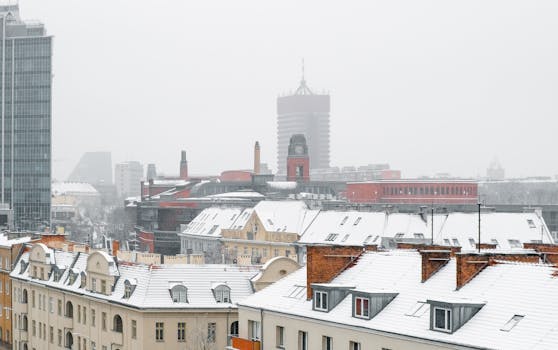
Planning a new chapter abroad requires clarity and the right steps from day one. Start smart and discover everything you need to know before moving to Poland! This guide explains documents, driving rules, and legal basics so you can relocate smoothly, avoid delays, and settle in Poland with confidence.
Moving to Poland – documents, driving licence and what you need to know at the start
Moving to Poland starts with understanding a few key formalities that shape Your entire stay. The most important factor is Your status — whether You come from the European Union or from outside it. EU citizens can enter Poland without a visa and benefit from freedom of movement, which makes the process much simpler. However, if You plan to stay longer than 90 days, You still need to register Your residence and confirm where You live.
If You are a non-EU national, the process looks slightly different. In most cases, You need a visa before arrival, especially if You want to work in Poland or study. Later, if You decide to stay longer, You will need a residence permit. Some people also require a work permit, although this often depends on the type of job and employer. That is why it is worth planning Your legal pathway early, so You can avoid unnecessary delays.
Before You travel, it is a good idea to prepare the essential documents. A valid passport is required, and You may also be asked to show proof of accommodation, financial stability, or health insurance. These details are often checked during the visa process or shortly after arrival. With everything in place, Your move to Poland becomes much smoother and far less stressful.
What documents do you need to move to Poland?
Moving to Poland requires a clear set of documents that confirm Your identity, purpose of stay, and legal status. The exact list depends on whether You are from the EU or a non-EU country, but a few essentials apply in most cases. You need a valid passport or national ID, and if You plan to stay longer than 90 days, You must also prepare documents related to residence and registration.
If You come from outside the European Union, You usually need a visa before arrival. In this case, a completed visa application, proof of accommodation, financial resources, and health insurance are required. If Your goal is to work in Poland, You may also need a work permit issued by Polish authorities. After arrival, many foreigners apply for a temporary residence permit and receive a residence card, which allows them to stay in Poland legally for a longer period.
In addition, it is worth keeping track of where and how to handle official paperwork. If You need to apply for or renew a passport while already in Poland, You can easily find all passport offices, locations, and opening hours on biuropaszportowe.pl. Having quick access to this information saves time and helps You deal with formalities without unnecessary stress, especially during the first months of living in Poland.
Do you need to exchange your driving licence in Poland?
You need to exchange your driving licence in Poland only in specific situations. If You are an EU citizen, You can usually use Your current licence without any changes. However, if You become a long-term resident or Your document expires, You may need to exchange it for a Polish driving licence.
If You come from outside the European Union, the rules depend on Your country of origin. In many cases, a non-EU foreigner can use their licence for a limited time after arrival in Poland. After that, an exchange becomes necessary, and sometimes even an additional exam is required. Therefore, it is important to check the rules that apply to Your situation before You start driving regularly.
At the same time, it is worth understanding how driving works in Poland. Road regulations are strictly enforced, and speed control is common. For example, section speed cameras operate on many roads, so before longer trips it makes sense to check current locations on odcinkowypomiarpredkosci.pl. This simple step helps You avoid fines and drive safely from the very beginning of Your stay in Poland.
How to register your residence in Poland step by step
You register your residence in Poland by following a clear, structured process. This step is required if You plan to stay longer than 90 days and want to live in Poland legally. It also allows You to handle daily matters such as contracts, healthcare in Poland, or contact with Polish authorities without issues.
- Prepare Your documents
First, gather all required documents. You need a valid passport or ID, proof of accommodation, and confirmation of Your legal stay. If You are a non-EU foreigner, this may include a visa or a temporary residence permit. - Visit the local office
Next, go to the city office or district office responsible for Your address. In many cities like Warsaw, appointments are recommended due to high demand. During the visit, You submit Your documents and complete the registration form. - Submit the application and confirm Your stay
Then, the office verifies Your documents. EU citizens usually receive confirmation of registration quickly. Non-EU nationals may need to continue the process through the Office for Foreigners, especially if applying for a residence permit in Poland. - Apply for a residence card (if required)
After registration, many foreigners apply for a residence card. This document proves that You can stay in Poland longer than 90 days and is essential if You want to live and work in Poland long-term. - Keep confirmation and update Your data if needed
Finally, keep all documents safe. If You change address or extend Your stay, You must update Your data with Polish authorities. This ensures that You remain in Poland legally and avoid administrative issues in the future.
Arriving in Poland – flights, transport and first steps
Arriving in Poland is usually straightforward, especially if You organise the key details before departure. Most international flights land in major cities such as Warsaw, Kraków or Gdańsk, and from there You can easily continue Your journey by train, bus or taxi. A smooth arrival in Poland often depends on timing, so checking Your flight status in advance helps avoid unnecessary stress.
If You want to track real-time arrivals and departures across all Polish airports, it is worth using port-lotniczy.pl. The platform provides up-to-date flight information for each airport in Poland, including terminals, delays and schedules. This is particularly useful if someone is picking You up or if You need to plan a transfer right after landing.
Once You arrive, focus on practical first steps. You should reach Your accommodation, secure basic communication such as a local SIM card, and organise daily essentials. If You plan to stay in Poland longer than 90 days, it is also a good moment to prepare for formalities like residence registration or applying for a residence permit. Acting early makes settling in Poland much easier and more comfortable.
What else do you need after moving to Poland (PESEL, address, basics)
After moving to Poland, You need to complete a few essential formalities that make daily life much easier. The most important step is obtaining a PESEL number, which acts as Your personal identification in Poland. You need it for healthcare in Poland, tax matters, and many official procedures, so it is worth handling this early.
Next, You should register Your address and make sure Your data is consistent across institutions. This helps when opening a bank account, signing a rental agreement, or dealing with Polish authorities. If You plan to work in Poland, You will also interact with the Social Insurance Institution, which manages contributions and access to benefits. In practice, these steps allow You to live and work in Poland without administrative barriers.
Additionally, access to healthcare is a key element. Public health insurance in Poland is provided through NFZ, known as the National Health Fund. If You are employed, contributions are usually handled automatically, while others may need to register independently. With access to healthcare, a PESEL number, and a confirmed address, You create a solid foundation to stay in Poland legally and function comfortably from the very beginning.
FAQ – Frequently asked questions about moving to Poland
Do you need a visa to move to Poland?
You need a visa to move to Poland only if You are a non-EU national. EU citizens can enter Poland visa-free and stay based on freedom of movement. If You plan to stay longer than 90 days, You may still need to register Your residence or apply for a residence permit.
How long can you stay in Poland without a residence permit?
You can stay in Poland without a residence permit for up to 90 days if You are from the Schengen area or eligible for visa-free entry. After that period, You need a residence permit or another legal basis to stay in Poland longer. This applies especially if You want to live and work in Poland.
Do you need a work permit to work in Poland?
You need a work permit to work in Poland in most cases if You are a non-EU foreigner. EU citizens do not need a work permit and can work freely in Poland. However, the exact requirements depend on Your job type and legal status.
How do you get a PESEL number in Poland?
You get a PESEL number in Poland by registering Your residence or applying at a local office. This number is required for many daily activities, including healthcare, taxes, and official services. In many cases, it is issued automatically during registration.
Is the cost of living in Poland high?
The cost of living in Poland is generally lower than in the UK and many other European countries. Expenses such as rent, food, and services are more affordable, although prices vary depending on the city. Larger cities like Warsaw tend to be more expensive than smaller towns.
