


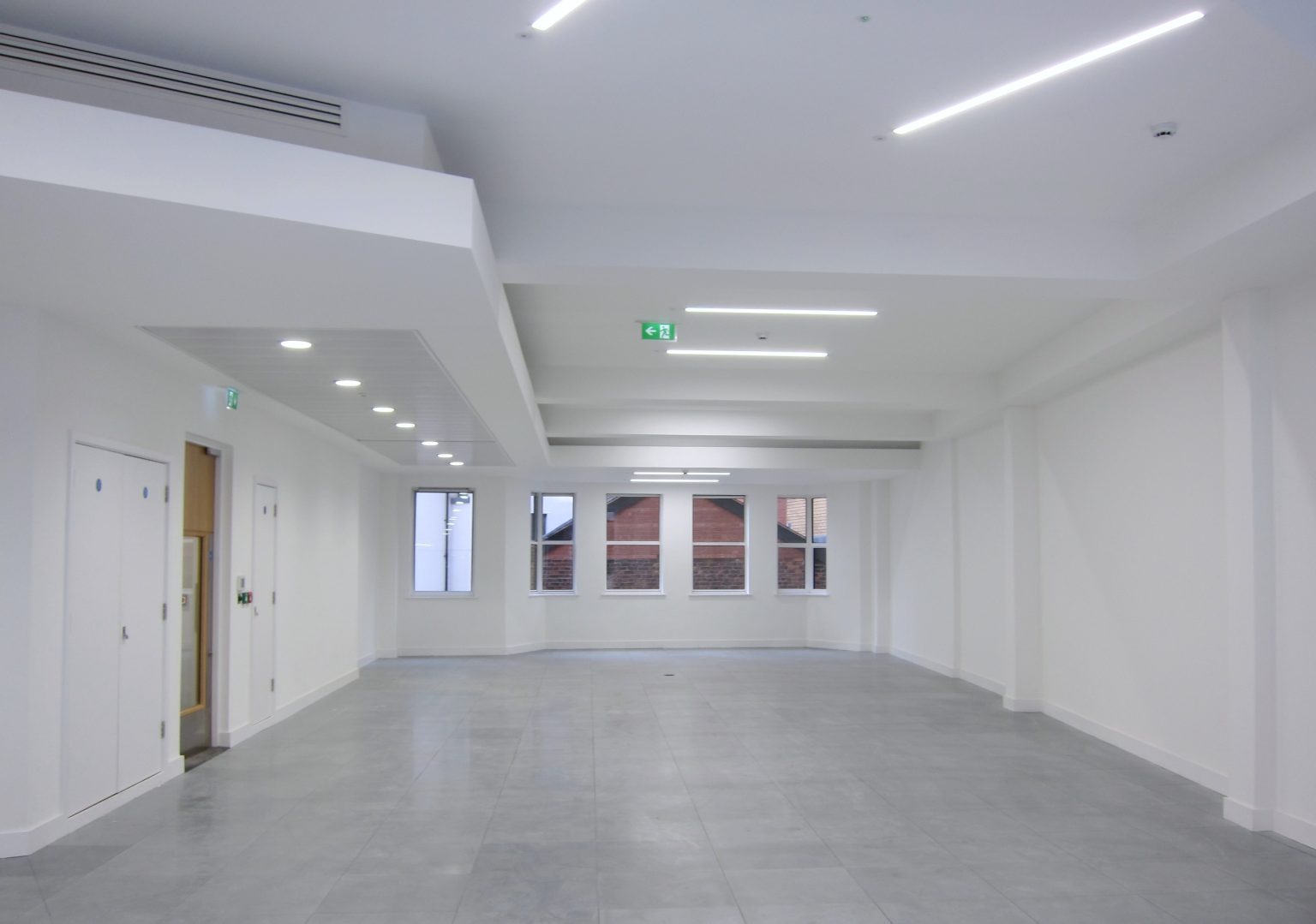
Office fit outs shape how commercial interiors operate across different stages of occupancy. The process usually follows two categories. A cat an office fit out prepares the space for basic occupation. A cat b fit out introduces the working layout, furniture, and operational details connected to daily business activity.
Both fit out types appear across new developments, leased offices, and refurbished commercial buildings. Their structure reflects different levels of completion. The distinction affects cost planning, workplace arrangement, maintenance patterns, and project timelines.
Uses of a Cat A Office Fit Out
A cat an office fit out prepares an empty commercial unit for tenant use. The space usually contains core building services and essential interior finishes. Raised flooring, suspended ceilings, lighting systems, heating, ventilation, and electrical installations commonly form part of the arrangement.
The layout remains open. Permanent workspace divisions are generally absent.
Landlords often use this format before marketing office space to tenants. The neutral structure allows different businesses to adapt the environment according to operational needs. Leasing activity frequently depends on this stage of preparation.
The approach also supports easier building maintenance. Mechanical and electrical systems remain accessible. Future alterations remain less complex. Property developers often use cat preparation to maintain flexibility across multiple tenancy arrangements.
Uses of a Cat B Fit Out
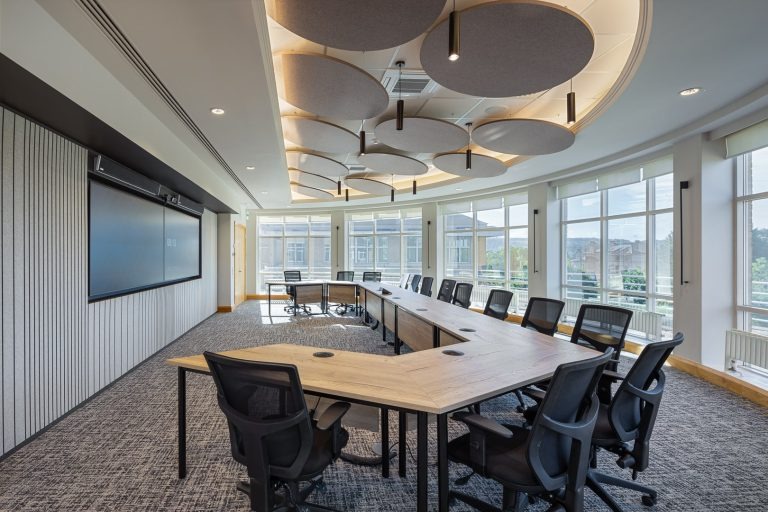
A cat B fit out develops the operational interior after tenancy agreements begin. The work usually includes meeting rooms, private offices, reception areas, kitchens, storage spaces, and collaborative working zones. Furniture installation also forms part of the process.
The interior reflects the activities of the business occupying the space. Technology infrastructure, branding elements, acoustic treatments, and workstation layouts appear during this stage. Spatial organisation becomes more defined.
Different sectors apply Cat B layout differently. Legal firms may introduce enclosed office structures. Creative companies often use open collaborative areas. Hybrid working models also influence space planning patterns.
The fit out stage supports workplace functionality. Circulation routes become clearer. Team placement reflects departmental activity. Utility systems operate relative to actual occupancy conditions.
Benefits Across Both Fit Out Types
The structure remains commercially neutral. Initial occupation requirements become easier to manage.
A cat b fit out supports operational continuity within the workplace. The environment reflects staffing patterns, meeting frequency, storage requirements, and technology use. Interior arrangements align with business processes.
Both approaches contribute to staged office development. One focuses on infrastructure readiness. The other focuses on workplace operation.
Conclusion
Office interiors develop through different levels of completion. A cat an office fit out establishes the functional base of the commercial environment. A cat b fit out shapes the interior according to organisational activity and workplace structure.
The distinction remains common across modern office leasing and refurbishment projects. Different fit out stages reflect different operational purposes within commercial property development.
For more information, visit https://officeinsight.co.uk/blog/understanding-cat-a-cat-b-office-fit-outs/
