


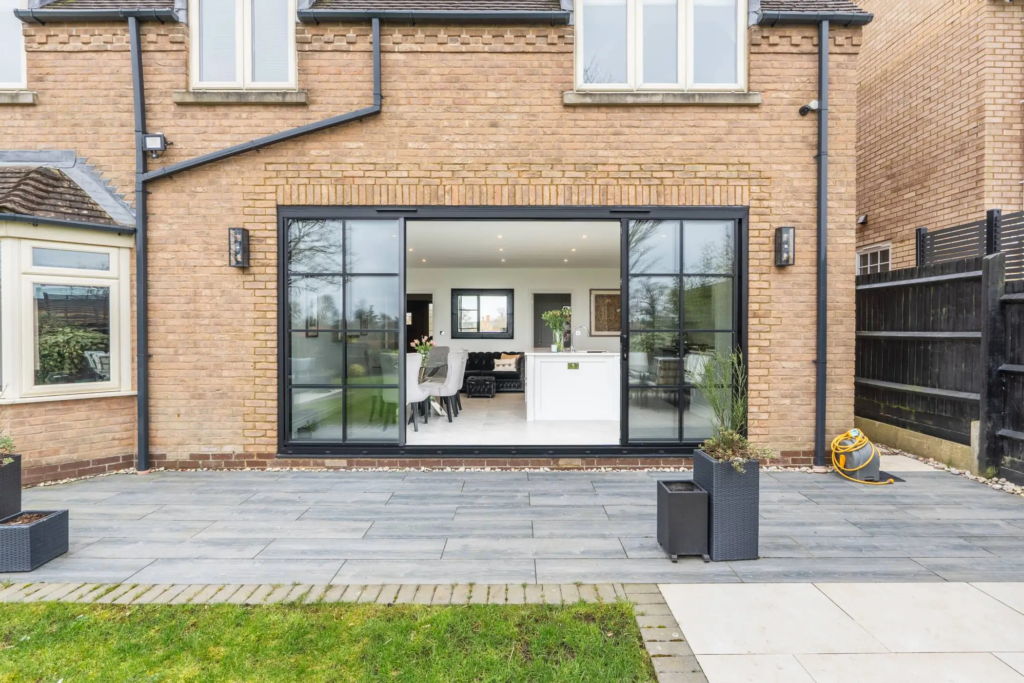
When people think about adding value to a property, they often focus on square footage first. A bigger kitchen. Another bedroom. A loft conversion. More open-plan living space. And while additional space certainly plays a role, it’s rarely the only factor that determines whether a home genuinely increases in value. In many cases, the quality of the design itself has just as much impact as the size of the extension or renovation.
Poorly considered layouts, awkward transitions between old and new spaces, lack of natural light or extensions that feel disconnected from the original property can actually limit the long-term value a project creates. Good architecture does the opposite. It improves how a property functions, feels and flows — and buyers notice that immediately.
When people think about adding value to a property, they often focus on square footage first. A bigger kitchen. Another bedroom. A loft conversion. More open-plan living space. And while additional space certainly plays a role, it’s rarely the only factor that determines whether a home genuinely increases in value. In many cases, the quality of the design itself has just as much impact as the size of the extension or renovation.
Poorly considered layouts, awkward transitions between old and new spaces, lack of natural light or extensions that feel disconnected from the original property can actually limit the long-term value a project creates.
Good architecture does the opposite. It improves how a property functions, feels and flows — and buyers notice that immediately.
Buyers Respond To Homes That Feel Better To Live In
Some of the most successful renovation projects aren’t necessarily the largest or most expensive. Often, they’re the homes where the design has solved practical problems in a way that feels effortless.
That might mean:
- Improving natural light
- Creating better connections between rooms
- Opening up underused areas
- Improving circulation through the property
- Creating stronger links between indoor and outdoor spaces
We’ve seen this particularly with older detached homes across Northamptonshire and surrounding areas, where layouts can sometimes feel dated compared to modern living expectations.
In one recent refurbishment project in Great Harrowden, the goal wasn’t simply to modernise the property visually. The redesign focused heavily on improving the overall flow of the home and creating more usable family living space without losing the character of the original building.
That balance is often where good architectural design adds the most value.
Natural Light Changes How A Property Feels
One thing homeowners frequently underestimate is how much natural light influences the perceived value of a home.
Dark hallways, enclosed kitchens and disconnected living spaces can make even larger properties feel smaller than they actually are.
Simple architectural decisions, such as repositioning openings, introducing rooflights, widening sightlines, improving garden connections, and reworking room proportions, can completely change how a property is experienced internally.
And importantly, buyers tend to respond emotionally to that feeling long before they start analysing floor plans in detail.
A well-lit home simply feels more desirable.
Extensions Should Feel Integrated – Not Added On
This is one of the biggest differences between average design and genuinely valuable design.
You can usually tell quite quickly when an extension has been treated as an afterthought. Ceiling heights don’t align properly. Spaces feel disconnected. The original house and new addition compete with each other rather than working together.
The most successful extensions tend to feel as though they were always meant to be part of the property.
A recent double-storey extension project in Buckingham focused heavily on this principle. Rather than simply maximising square footage, the design concentrated on improving the relationship between the existing home and the new spaces being introduced. The result created a far more balanced layout overall while significantly improving the property’s functionality for modern family life.
That kind of cohesion is often what separates projects that merely cost money from projects that genuinely add value.
Kerb Appeal Still Matters
Interior layouts are important, but external appearance still plays a major role in property value.
First impressions influence how buyers perceive a property before they even walk through the door.
Architecture can improve kerb appeal through:
- Proportion
- Symmetry
- Material selection
- Window placement
- Roof design
- Landscaping integration
This doesn’t necessarily require dramatic contemporary design either. In many cases, subtle changes carried out thoughtfully can completely transform how a property is perceived from the street.
Importantly, buyers tend to associate well-designed homes with better build quality overall — even before viewing the finer details.
The Best Projects Balance Design With Practicality
One of the common mistakes homeowners make is focusing purely on aesthetics without considering how the property will actually function day to day.
Beautiful design still needs to work practically.
Storage, circulation space, furniture layouts, lighting and family routines all matter just as much as visual appearance. In reality, buyers are often drawn to homes that feel easy to live in, even if they can’t immediately explain why.
That’s usually the result of thoughtful architectural planning behind the scenes.
Good Design Can Also Improve Planning Success
Another factor often overlooked is the relationship between design quality and planning approval.
Across Northamptonshire and the surrounding areas, local authorities are placing increasing emphasis on:
- Contextual design
- Scale and proportion
- Street scene impact
- Sustainability
- Neighbouring amenity
Projects that are carefully designed from the outset often stand a far better chance of progressing smoothly through planning.
This is particularly important for:
- Large extensions
- Luxury residential projects
- Properties in conservation areas
- Rural developments
- High-value refurbishments
Working with experienced residential architecture professionals early in the process can help homeowners avoid costly redesign work later.
Expert Insight
“One of the biggest misconceptions we see is homeowners assuming property value only comes from adding more space. In reality, buyers respond far more strongly to homes that feel well designed, practical and naturally connected. Good architecture changes how people experience a property.”
— Guv Bhangal, Operations Director at Amico Design
Well-Designed Homes Tend To Hold Their Value Better
Property trends will always change over time. But homes that are thoughtfully designed, practical to live in and visually balanced tend to remain desirable for much longer.
Whether it’s a full refurbishment, a contemporary extension or a large-scale family home renovation, good architecture is rarely just about appearance alone. At its best, it improves how a property works, how it feels to live in and ultimately how it performs in the market.
Author Bio
This article was contributed by the team at Amico Design, a Northampton-based architectural practice specialising in residential architecture, planning permission and bespoke property design. Their team has completed projects ranging from luxury home refurbishments to contemporary extensions and large-scale residential developments.
