


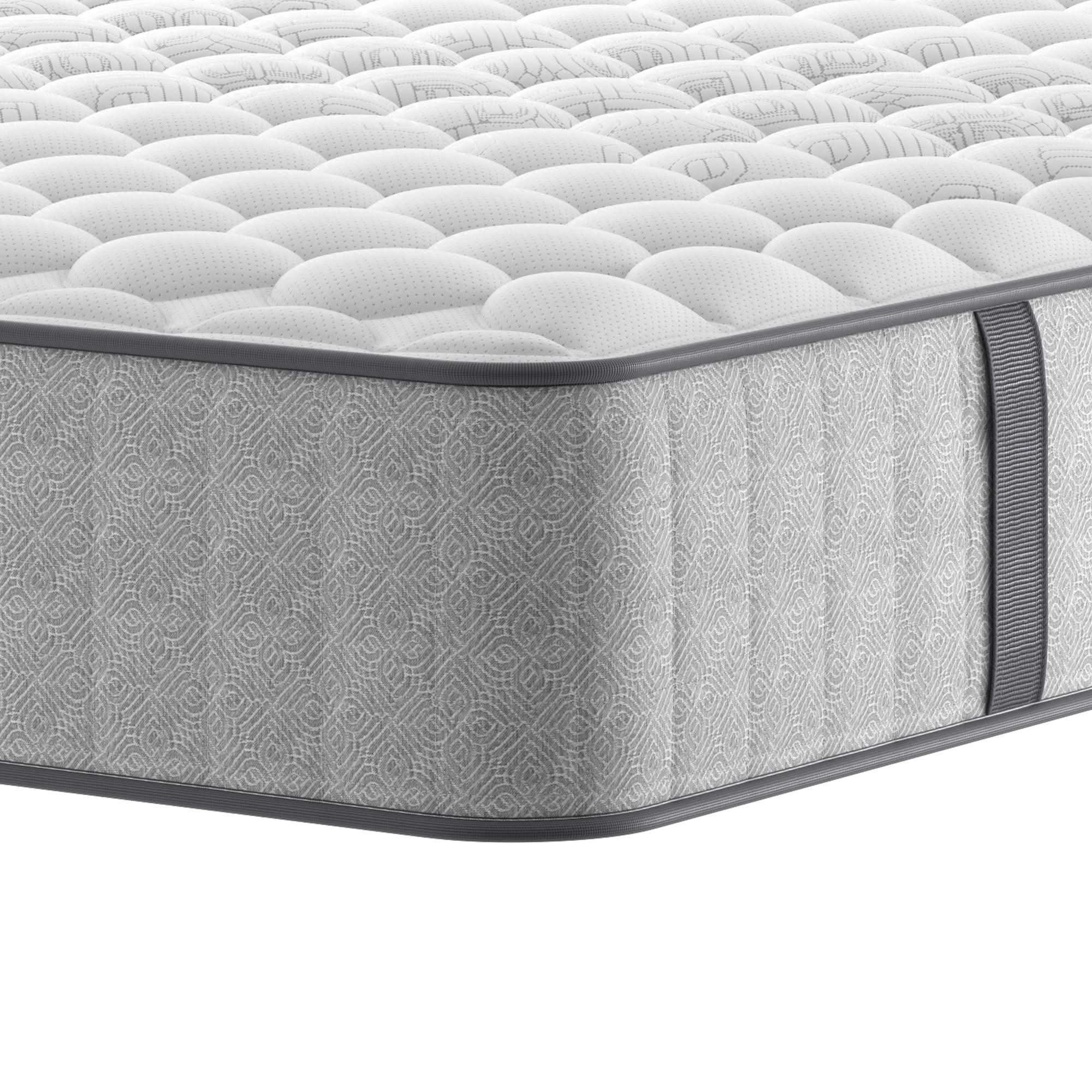
Gel hybrid mattresses integrate spring and foam systems for comfort layers with cooling gel components in the foam materials. The combination integrates pressure relief, air flow, and responsive surface support in one mattress system.
Spring mattress cores generally include pocket spring structures, and the foam layers provide cushioning. Gel elements affect temperature reactions in prolonged use. Density, spring structure, and material thickness affect mattress durability.
This mattress type is commonly found in current bedding sets due to combining features of spring and foam types.
Internal Structure of Gel Hybrid Mattresses
Typically, gel hybrid beds feature pocket spring cores underneath several comfort layers. Pocket spring cores comprise individual springs wrapped in their own fabric pockets. In gel hybrid beds, springs are compressed separately from each other rather than together as one single unit.
Foam comfort layers featuring gel components or cooling gel bits are located above the pocket spring core layer. Other common layers found on gel hybrid beds are memory foam, latex foam, and fiber layers.
The structure of springs allows for air to circulate within the inner structure of the mattress. Foam layers ensure softer touch and even pressure distribution along the mattress surface.
Another type of layer found in gel hybrid beds is edge support.
Surface Feel and Pressure Response
The presence of pocket springs makes the support underneath very responsive. Parts of the body with higher weight tend to sink further into the pocket springs compared to parts of the body that have little weight.
The foam layer acts to take some pressure from the shoulders, hips, and lower back region of the bed. The feeling on the surface varies with the thickness and density of the material used. The gel hybrid bed might be soft or not, depending on the number of comfort layers.
Lastly, motion isolation is kept under control. The foam absorbs the disturbance, while the pocket spring prevents the spread of movement from one side to the other.
Airflow and Temperature Behaviour
Thermoregulation is another distinct feature exhibited by gel hybrid mattresses. Open cells of the pocket springs provide gaps through which air flow takes place inside the mattress. Airflow minimizes the amount of heat retention in the bottom parts of the mattress.
Additionally, gel layers have a significant impact on the surface temperatures. The gel material helps distribute the heat more evenly without any localized retention in certain parts.
Perforated foam or breathable cover material can be used in some beds. Nevertheless, cooling still depends partially on the density and thickness of the foam layer as dense foam can retain heat for a prolonged period.
Room temperature and bedding materials also play an important role in bed heat behavior.
Conclusion
Gel hybrid mattresses offer pocket spring core combined with gel-infused foam top layers. It represents a compromise between airflow, surface softness and responsiveness in a single bed construction. Pocket springs ensure stability and airflow whereas foam top layers help with heat dissipation and pressure absorption.
The surface softness, thermal properties and durability of the bed will differ depending on the quality of springs and density/ thickness of foam layers.
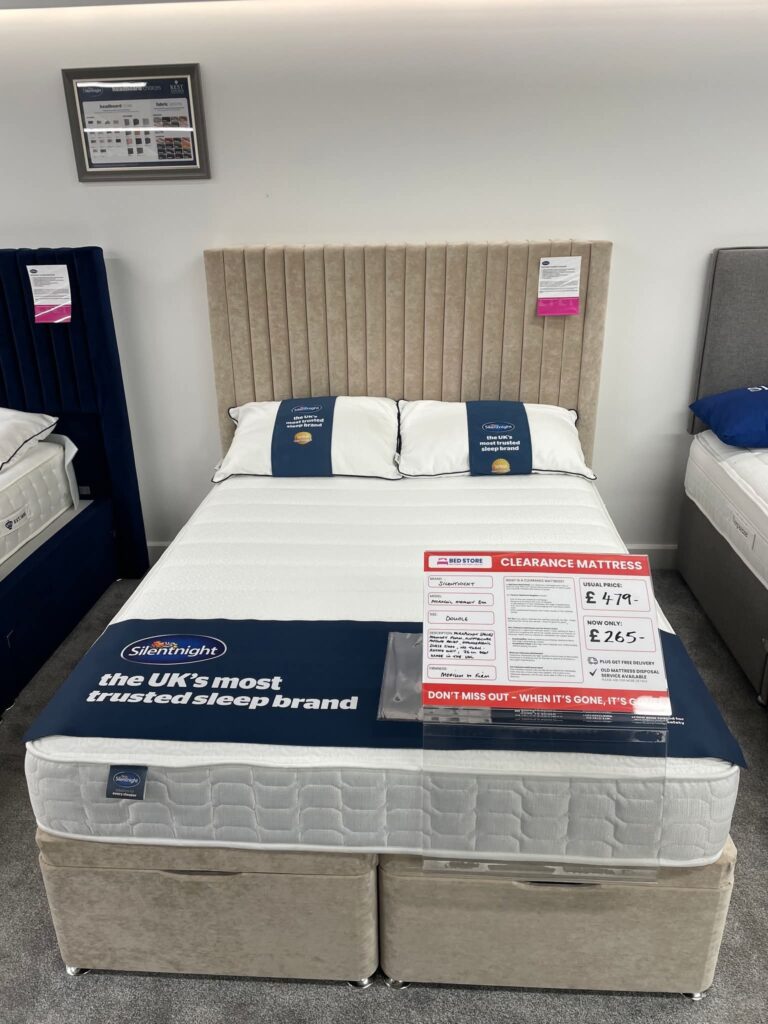
Bed Store supplies a range of mattress types, including gel hybrid, memory foam, pocket spring, and hybrid models. The company also provides delivery and collection services in selected United Kingdom locations.
For more information, visit https://bed-store.co.uk/
