


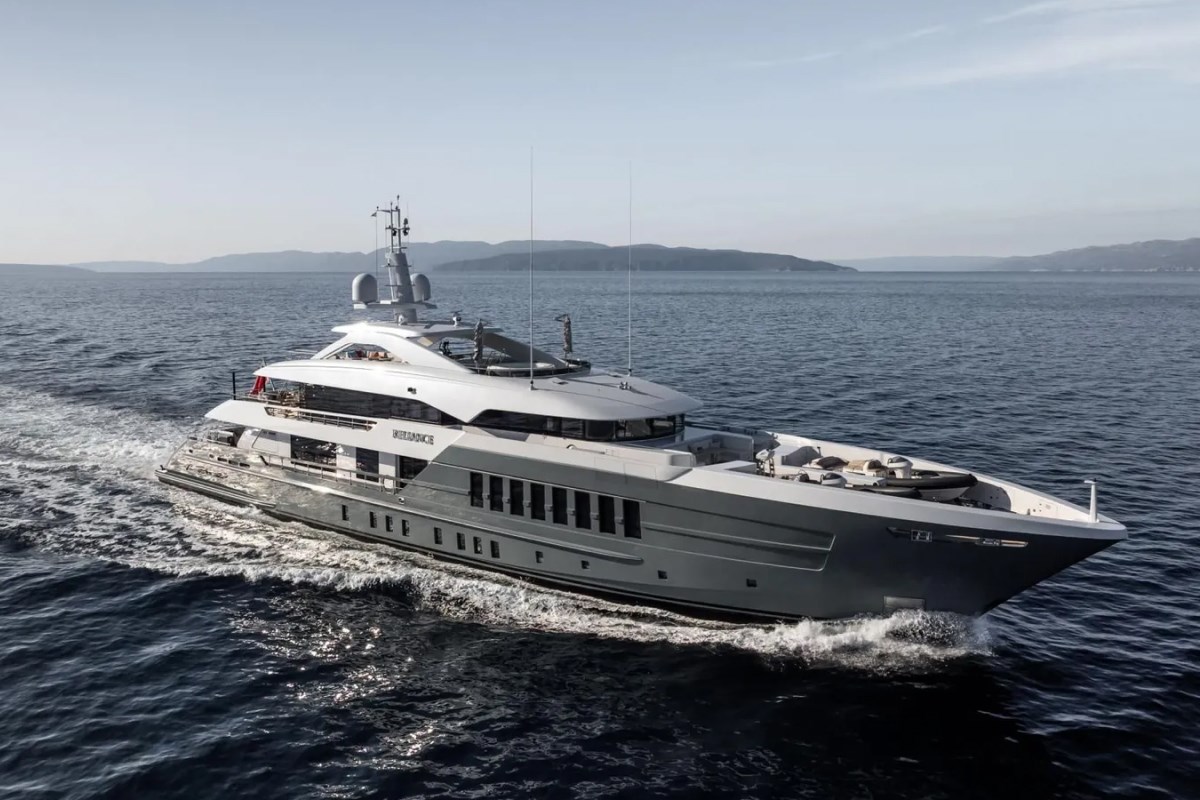
The Mediterranean yacht charter market offers UK travellers an overwhelming menu of options in 2026 — Greek islands, the Italian Riviera, Croatia, the Balearics, the French Côte d’Azur, and the emerging Albanian coast. Picking the right destination and yacht type for a first-time charter is genuinely consequential. Here is a practical decision tree.
The Mediterranean yacht charter market offers UK travellers a genuinely overwhelming menu of options in 2026. Greek islands, the Italian Riviera, Croatia, the Balearics, the French Côte d’Azur, the emerging Albanian coast — each with different price points, different sailing conditions, different shore-side experiences, and different practical realities for booking. For a UK traveller making their first Mediterranean charter decision, the question is not just where to go but how to navigate the dozens of secondary choices that follow from the destination.
This is a working decision tree for first-time UK charterers in 2026, drawn from real booking patterns, broker conversations, and the operational experience of crews who have run charters across the Mediterranean for fifteen-plus seasons. It is structured as a sequence of questions, each of which narrows the options materially. By the end, most first-time travellers should have a clear shortlist they can take to a broker with confidence.
Question one: how long is your charter?
Charter duration drives nearly every subsequent decision. A four-to-five day charter rewards a tightly focused itinerary in a smaller geographic area — Croatia’s southern Dalmatian coast, the Greek Saronic islands close to Athens, or the Balearics around Mallorca. A seven-day charter opens up most classical Mediterranean itineraries — the Greek Cyclades, the Croatian central coast, the French Riviera to Italian Liguria, or Mallorca-Menorca. A ten-day or longer charter unlocks the more ambitious routes — Albania-Greek Ionian combinations, Sardinia-Corsica circuits, or extended Cyclades cruises that include the less-visited southern islands.
UK travellers booking their first Mediterranean charter most often choose seven days. That is enough to do justice to a meaningful itinerary without the cost or logistical weight of a longer trip. If you are uncertain about charter as a holiday format, seven days is the right starting point. The shorter four-to-five day option works well if you are testing the waters or combining the charter with land-based travel.
Question two: what is your budget per person?
Mediterranean charter budgets in 2026 split into three meaningful bands for UK travellers.
The accessible band — roughly £1,500 to £3,000 per person for a week, all-in — points to a bareboat sailing monohull in Greece, Croatia, or the Balearics, with four to six people sharing the boat. This is genuinely viable for first-time charterers if at least one person in the group is a qualified sailor or you book with a flotilla operator that provides a lead boat. The on-board comfort is modest but the access to the experience is real.
The middle band — roughly £3,000 to £6,000 per person for a week — opens up crewed charters in the same destinations, primarily catamarans for groups of six to eight. This is where most first-time UK charterers land. The crewed model removes operational complexity (no need to sail the boat, no need to provision, no need to plan moorings), and the catamaran format provides materially more space and stability than a monohull. For couples and families, this band is the natural fit.
The premium band — roughly £6,000 to £12,000+ per person for a week — points to larger crewed catamarans or motor yachts, often in the French Riviera, Italian Costa Smeralda, or the Greek Cyclades with premium operators. The experience is qualitatively different — a chef on board, multiple guest cabins with ensuite bathrooms, water sports equipment, and itineraries that prioritise the most photographed destinations. First-time charterers booking into this band usually do so for a specific occasion (an anniversary, a milestone birthday, a corporate retreat) rather than as a general holiday choice.
Question three: what kind of holiday rhythm do you want?
This question separates Mediterranean destinations more sharply than budget does.
The relaxed rhythm — anchoring in quiet bays, sleeping on board, swimming off the boat, eating most meals on board, doing short shore visits — is best served by Greece (particularly the Ionian and the less-visited Cyclades) and parts of Croatia. The pace is slower, the days are unstructured, the photography is of nature and crew rather than of crowds and venues.
The active rhythm — moving to a different town each day, eating in restaurants ashore, walking and exploring the destinations as much as the water — is best served by Croatia’s Dalmatian coast (Hvar, Korčula, Dubrovnik), the Italian Cinque Terre coast, and certain parts of the Cyclades (Paros, Naxos, Mykonos). The days have a structure of arrival, exploration, and departure.
The premium rhythm — long lunches in named restaurants, evening dinners in destination towns, swimming and beach club access during the day — is best served by the French Riviera (Saint-Tropez, Cannes, Antibes), Sardinia’s Costa Smeralda, and the headline Balearic destinations (Palma, Ibiza). The on-board time is for transitions; the destinations are for the holiday.
For first-time charterers, the relaxed rhythm in Greece or Croatia is the most forgiving choice. Things go wrong less often, the budget is more predictable, and the charter experience does not depend on getting reservations at the right venues. The active rhythm works well if you are comfortable with logistics. The premium rhythm is genuinely premium and should be approached with realistic expectations about cost.
Question four: who are you travelling with?
The group composition shapes the yacht choice more than most first-time charterers expect.
Couples or two-couple groups are best served by smaller yachts — a 45-to-50 foot crewed catamaran or a 40-foot bareboat monohull. The economics work, the destinations are flexible, and the on-board space is comfortable for the headcount.
Larger groups of six to ten — typically multi-generational families or friend groups — point to larger crewed catamarans (50-65 feet) or smaller crewed motor yachts. The cost per person drops at this group size because the fixed costs of yacht and crew are spread across more people, but the destination flexibility narrows because larger boats need deeper-water moorings.
Groups with young children point specifically to crewed catamarans rather than monohulls. The stability is meaningfully better. The on-deck space is safer. And the crewed model means parents are not also operating the boat. Greek and Croatian itineraries with frequent swimming stops in calm bays work better than active port-hopping itineraries.
Groups with mobility considerations point to motor yachts rather than sailing yachts. The flat deck, the absence of heeling, the ease of moving between cabins and saloon all matter. Itineraries with marina moorings rather than anchorages also matter — Croatia and Mallorca work well, the more remote Greek anchorages less so.
Question five: what time of year?
The Mediterranean charter season runs from late April through October, but the experience varies materially across this window.
Late April through mid-June is the shoulder season. Weather is reliably warm but not yet at peak. Crowds are dramatically lower. Prices are 25-40% below peak. Water temperature is on the cool side for swimming through early June. This window is genuinely excellent for first-time charterers who can be flexible on dates. The downside is that not every destination has full restaurant and shore-side infrastructure running yet.
Mid-June through end of July is the build-up to peak. Weather warms steadily. Crowds increase week by week. Prices rise. The Cyclades and the French Riviera in late July are visibly busy. This window suits travellers who want the full Mediterranean infrastructure running but can avoid the absolute peak.
August is peak. The Mediterranean is at its most beautiful and most crowded. Prices reflect this. Booking for August in May or earlier of the same year is the realistic constraint. First-time charterers who book August do so knowing they are paying premium for premium conditions.
September is, in the experienced view, the best month for first-time charterers. Weather is still excellent, crowds drop sharply after the first week, prices are 20-30% below August, and the sea is at its warmest. If you can travel in September, it is the answer for almost all first-time charter decisions.
October is the late shoulder. The weather is variable and itineraries need flexibility around it. Some destinations effectively close. But the prices are the lowest of the season and the remaining travellers tend to be more committed and pleasant company at the marinas.
Question six: who will you book through?
The booking decision for a first-time UK charterer comes down to one of three paths.
Direct with the yacht owner or operator — the cleanest path. No broker margin, direct communication with the people running your charter, and the most accurate operational answers to your questions. Works best when you already have a destination and a yacht type in mind and want to confirm specific availability.
Through a UK charter broker — adds a layer of advice and convenience. The broker margin is real but typically the broker’s network access surfaces yachts and dates you would not find on your own, particularly for the September shoulder where availability shifts rapidly. Worth the cost for first-time charterers who want guidance through the decision tree above.
Through an aggregator platform — convenient for browsing but less reliable for the operational details that matter. Works well for early research and price comparison; less well for the final booking.
For first-time UK charterers who want the operational confidence of working directly with an established Mediterranean charter operator across multiple destinations, DanEri Yachts is one of the operations running on this model — direct booking, transparent communication, and access to Greek, Croatian, Italian, and Balearic yachts under a single conversation. Other quality operators run similar models; the test is whether the operator can answer your operational questions directly and accurately rather than routing them through layers.
Putting it together
A typical first-time UK charter decision in 2026 lands at: seven days in Greece or Croatia, crewed catamaran for six to eight people in the £3,500-5,000 per person band, September or late June timing, relaxed rhythm with daily swimming stops, booked through a broker or direct with an operator. That description fits a substantial percentage of successful first charters. The decision tree above lets you assess whether your situation should depart from that template — and in which direction.
Final practical note
The Mediterranean charter market in 2026 is a more buyer-friendly environment than it has been for several years. Bareboat availability is better than at any point since 2022. Crewed availability in the shoulder seasons is genuinely open. Pricing has stabilised after the post-pandemic increases. The window for booking confidently and well is now. The decision tree above is not exhaustive — every first charter brings questions specific to the group — but it covers the questions that most often determine whether the experience matches the expectation.
For UK travellers approaching this decision, the most useful single move is to commit to the destination and the group size before engaging with specific yachts. The reverse approach — falling in love with a specific yacht photograph and trying to fit a destination and group around it — produces avoidable friction. Start with where and with whom, then choose what.
Read also: The Ultimate Gift Guide: Premium Leather Essentials for the Man Who Has Everything
