


Most skincare is short-term thinking applied to a long-term problem. The product you buy to address a specific concern, the treatment you book because something is bothering you right now, the routine you assemble from whatever was recommended last month: these can produce results, but they rarely add up to something that lasts without the same cycle repeating.
A long-term approach to healthy-looking skin looks different. It’s built on understanding how skin changes over time, which habits compound into meaningful results, and where professional intervention fits into a strategy that isn’t just reactive.
The Long-Term Variables That Matter Most
Research on what produces genuinely healthy-looking skin over decades is fairly consistent, and it points strongly to a small number of variables.
Sun protection is the most significant. Across all ethnicities and skin tones, the proportion of visible skin ageing attributable to UV exposure rather than chronological age is substantial. Cumulative UV exposure drives a significant proportion of pigmentation changes, collagen degradation, loss of elasticity, and the development of texture irregularities. Daily broad-spectrum SPF, applied consistently from as early in adult life as possible, is the most impactful preventive investment available, and its benefits compound over decades in a way that no treatment can reverse.
Sleep is the second major variable. The repair processes the skin relies on overnight- collagen synthesis, immune activity, cellular regeneration- don’t complete adequately under chronic sleep insufficiency. This isn’t incidental to skin quality. It’s foundational. Someone who sleeps consistently well for twenty years has a different skin trajectory than someone who doesn’t, regardless of what products they use.
Nutrition and hydration matter more than the skincare industry finds it convenient to acknowledge, because acknowledging it doesn’t sell products. Adequate protein supports collagen production. Antioxidants from a varied diet manage the oxidative stress that drives ageing. Consistent hydration maintains skin plumpness and barrier integrity. These can’t be replaced topically.
Stress management operates through cortisol, which, when chronically elevated, breaks down collagen, impairs barrier function, drives sebaceous activity, and disrupts sleep. Long-term stress management isn’t just a quality-of-life consideration. It has direct skin consequences.
The Topical Foundation
Within these lifestyle variables, a topical routine that compounds over time requires fewer ingredients than most people use, and more consistency than most people manage.
A retinoid is the most evidence-supported active ingredient for long-term skin improvement. Consistent use over years improves skin texture, fine lines, and surface quality. Results are cumulative and require patience: skin after two years of consistent retinoid use is in a different place than skin after two months, and this trajectory continues beyond two years. Starting lower and building slowly prevents the irritation that causes most people to abandon retinoids before the results arrive.
Sun protection, already covered as a lifestyle variable, doubles as the most important part of the topical routine. SPF protects the improvements the retinoid is producing, prevents the UV damage topical treatment then has to address, and does more work than any other product in the routine.
Moisturiser maintains barrier function and keeps the skin’s surface in good condition. A well-formulated moisturiser containing ceramides, fatty acids, and humectants like hyaluronic acid or glycerin is sufficient. The specific product matters less than consistently using something adequate.
These three- retinoid, SPF, and moisturiser- form a foundation that outperforms more complex routines used inconsistently, because consistency produces cumulative results.
When to Add Professional Treatment
A long-term skin strategy isn’t a commitment to topical-only skincare. It’s a framework for understanding what topicals can do and when professional treatment becomes the right next step.
Surface concerns, pigmentation in the epidermis, fine lines driven by surface texture changes, and mild dullness from accumulated dead skin cells, fall within the range of a well-managed topical routine over time. Professional treatments can accelerate improvement in these areas but extend the topical approach rather than replace it.
Structural concerns require a different approach. Atrophic scarring from acne or chickenpox represents a dermal tissue deficit that topical products can’t reach. Deep pigmentation that has settled below the epidermis doesn’t respond fully to surface-active ingredients. Significant collagen loss that causes visible laxity is beyond topical actives’ ability to reverse.
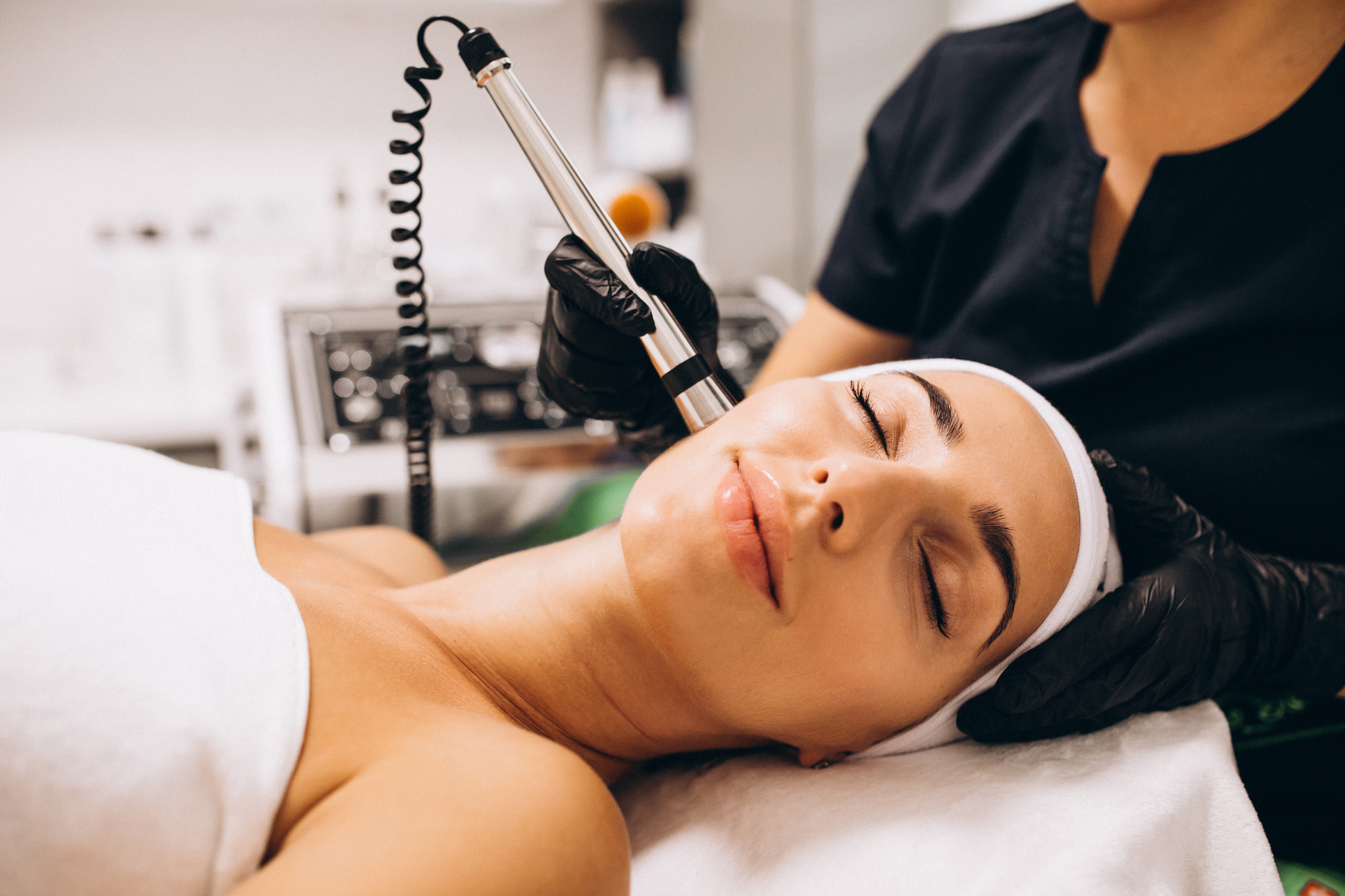
Scar treatment is the clearest example of a structural skin concern that requires professional intervention as the primary approach rather than an enhancement of topical care. The professional options, microneedling, fractional laser, subcision, chemical peels at clinical depth, work at the level where the problem exists, which is the dermis, not the surface. Building this into a long-term skin strategy means addressing structural concerns when they’re present, rather than indefinitely supplementing around them with topical products not designed for the job.
The Mindset That Produces Long-Term Results
Long-term skin health requires a shift from reactive to proactive thinking. Reactive skincare addresses whatever is bothering you now. Proactive skincare invests in the habits and the occasional professional interventions that change the trajectory over time.
The person who starts sun protection consistently at twenty-five and maintains a basic evidence-based topical routine has, by forty-five, prevented a significant proportion of the visible ageing that would otherwise have accumulated. The person who addresses structural skin concerns, whether scarring, significant pigmentation, or texture changes, before they become more entrenched has better outcomes than the one who defers until the issue is more advanced.
Neither of these requires an elaborate or expensive approach. They require a few good decisions, made early and maintained consistently. That’s what a long-term approach to healthy-looking skin actually looks like, and it’s meaningfully different from starting over with a new routine every few months.
