


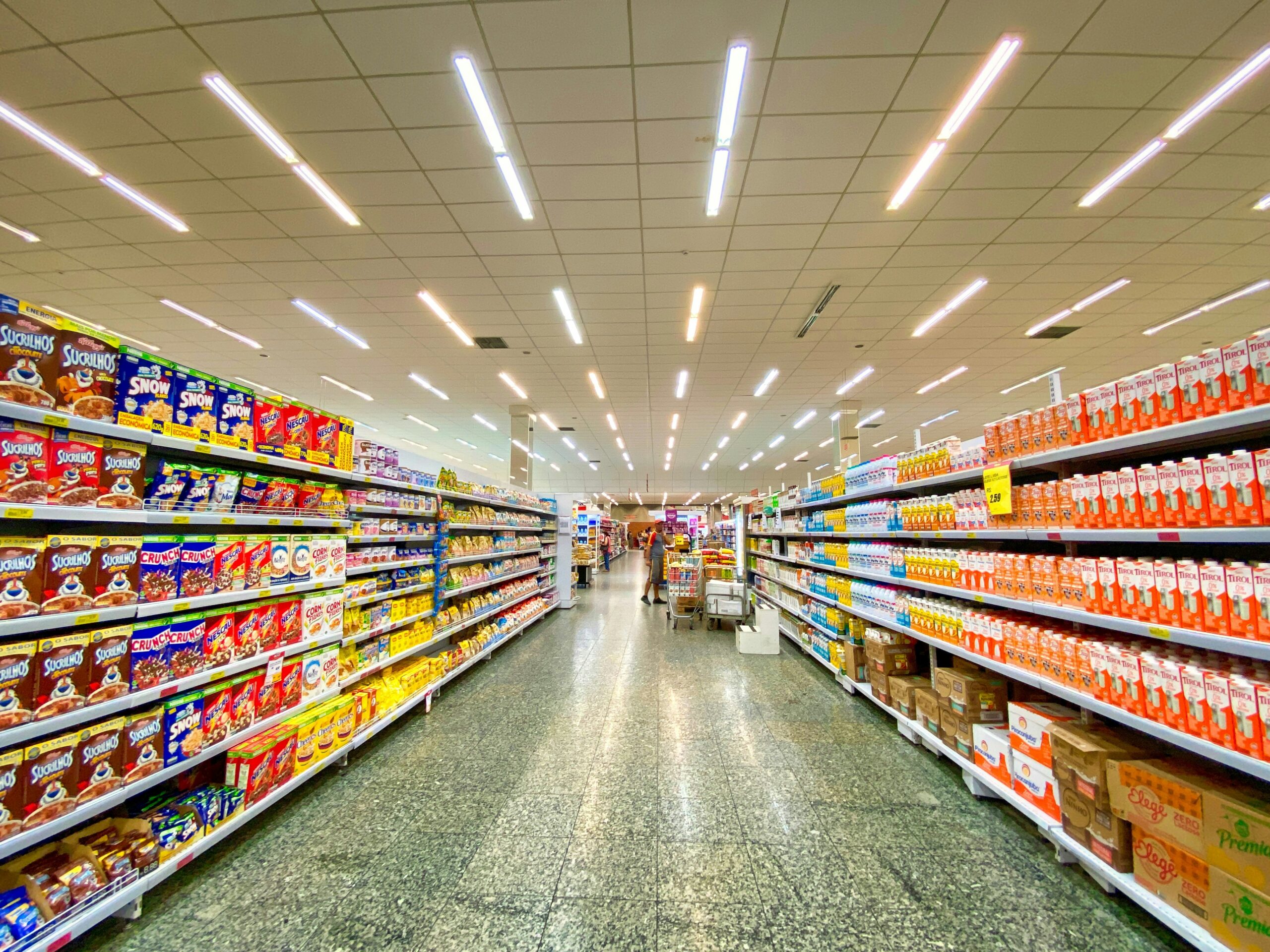
Retail teams use Yieldigo’s promotion analytics platform to evaluate promotion effectiveness, simulate promotional scenarios, and identify opportunities to improve category profitability through data-driven decision-making.
Retail category managers oversee critical strategic decisions that influence both revenue and profitability. From pricing and promotion planning to assortment management and supplier negotiations, category managers must balance a wide range of commercial objectives.
However, the complexity of retail operations has increased significantly in recent years. Modern grocery and FMCG retailers often manage tens of thousands of SKUs across multiple channels, making traditional spreadsheet-based analysis increasingly ineffective.
According to Deloitte retail industry research, retailers that adopt advanced analytics and data-driven decision tools can significantly improve commercial performance by optimizing pricing, promotions, and category strategies. These technologies enable retailers to analyze large datasets and make more informed decisions that support stronger category profitability and operational efficiency.
Artificial intelligence is now transforming how category managers analyze data and plan commercial strategies. AI-powered retail tools can process vast amounts of sales, pricing, and demand data to generate actionable recommendations. These platforms help category managers:
- evaluate category performance
- optimize pricing and promotions
- forecast demand shifts
- analyze product interactions and cross-elasticity
- simulate commercial scenarios
In this guide, we review the top AI tools for retail category managers in 2026 and evaluate how these platforms support data-driven retail decision-making.
TL;DR
Category managers are responsible for some of the most complex decisions in retail: pricing strategy, promotion planning, assortment performance, and margin management. As retail assortments grow and competition intensifies, manual analysis is no longer sufficient.
AI-powered tools help category managers analyze massive retail datasets and generate recommendations for pricing, promotions, and assortment strategy. The top AI tools for retail category managers in 2026 include:
- Yieldigo – AI-powered pricing and promotion optimization platform for grocery retailers
- SymphonyAI Retail CPG – AI platform for retail analytics and assortment optimization
- Algonomy – AI-driven retail decision platform for merchandising and promotion planning
- Blue Yonder – enterprise retail planning platform with AI demand forecasting
- Editel Smart Retail Analytics – retail analytics platform for assortment and category insights
- Crisp Retail Analytics – retail data analytics platform for category performance monitoring
These tools enable category managers to move beyond manual decision-making and implement data-driven category strategies supported by AI-powered insights.
How We Evaluated AI Tools for Retail Category Managers in 2026
To identify the most effective AI tools for category management, we analyzed platforms across several key dimensions.
AI-Powered Analytics
We prioritized platforms that leverage machine learning and predictive analytics to generate actionable retail insights. Modern category management requires the ability to process large volumes of sales, pricing, and customer behavior data in order to identify patterns that influence product performance. AI-powered analytics platforms help category managers uncover hidden relationships between products, pricing strategies, and consumer demand. These insights enable retailers to make faster and more informed decisions across product categories.
Pricing and Promotion Decision Support
Category managers rely heavily on pricing and promotional strategies, so tools that provide optimization recommendations and scenario simulations were prioritized. Effective platforms allow retailers to evaluate how different pricing or promotional scenarios may influence category performance, revenue, and margins. Scenario simulation tools enable category managers to test various strategies before implementing them in the market. This capability helps reduce risk and improves the overall effectiveness of commercial decision-making.
Demand Forecasting Capabilities
Accurate demand forecasting helps category managers plan promotions, pricing strategies, and inventory levels more effectively. AI-driven forecasting tools analyze historical sales patterns, seasonal demand fluctuations, and external market signals to generate more accurate demand predictions. These insights allow retailers to anticipate changes in consumer demand and adjust their strategies accordingly. Better forecasting also supports more efficient inventory planning and helps prevent stock shortages or excess inventory.
Category Performance Analysis
Solutions that provide detailed category-level analytics, including margin analysis, sales performance tracking, and product interactions, received higher rankings. Category managers need comprehensive visibility into how individual products contribute to overall category performance. Advanced analytics platforms allow retailers to evaluate product profitability, identify underperforming items, and understand how different products influence each other within a category. These insights support better assortment planning and more strategic category development.
Enterprise Scalability
Large retailers operate massive datasets, so we focused on tools capable of processing high-volume retail data environments. Category management systems must be able to analyze thousands of SKUs across multiple store locations without performance limitations. Scalable platforms ensure that category managers can work efficiently even as product assortments and store networks grow. This capability is particularly important for enterprise retailers operating complex omnichannel environments.
Best AI Tools for Retail Category Managers in 2026
Yieldigo: Best for AI-driven pricing and promotion optimization for grocery category management
What It Is?
Yieldigo is an AI-powered retail optimization platform that helps category managers analyze promotion performance, optimize pricing strategies, and improve category profitability across large product assortments. The platform uses machine learning models to evaluate sales data, demand elasticity, and product relationships in order to generate actionable insights for retail decision-making.
Instead of relying on manual reporting or fragmented analytics tools, Yieldigo enables category managers to understand how pricing and promotional decisions influence demand, margins, and overall category performance.
Retail teams use Yieldigo’s promotion analytics platform to evaluate promotion effectiveness, simulate promotional scenarios, and identify opportunities to improve category profitability through data-driven decision-making.
Best For:
Grocery and FMCG retailers looking to support category management decisions using AI-driven pricing and promotion optimization tools across large assortments and promotion-heavy retail environments.
Key Capabilities:
- AI-driven price optimization
- promotion planning and simulation
- demand forecasting and demand elasticity modeling
- cross-product and basket elasticity analysis
- promotion profitability modeling
- category performance analytics
- scenario simulation for pricing and promotions
These capabilities allow category managers to evaluate different commercial strategies and understand how pricing and promotional decisions influence overall category performance.
Strategic Strengths:
Yieldigo focuses on improving category-level profitability by analyzing how pricing and promotional decisions affect overall basket composition, demand patterns, and margin performance.
The platform’s AI models evaluate interactions between products within a category, allowing retailers to understand how discounts or price changes influence demand across related products. This helps category managers design strategies that drive incremental sales rather than simply shifting demand between items.
By combining promotion optimization, pricing analytics, and demand forecasting, Yieldigo enables category managers to move from reactive decision-making toward a more strategic, data-driven approach to category management.
Considerations:
The platform is specifically designed for grocery and FMCG retail environments where promotional activity and large assortments create complex pricing and demand dynamics.
Pricing:
Enterprise pricing available upon request.
G2 Rating: 4.7 / 5
SymphonyAI Retail CPG: Best for AI-powered retail analytics and assortment optimization
What It Is?
SymphonyAI Retail CPG is an AI-powered retail analytics platform designed to help retailers and consumer goods companies improve category performance through advanced data analysis and predictive insights. The platform leverages machine learning models to analyze retail sales data, customer demand trends, and product performance across large retail assortments.
By transforming complex retail datasets into actionable insights, SymphonyAI enables category managers to make more informed decisions related to pricing strategies, assortment planning, and promotional campaigns.
Best For:
Retailers and consumer goods companies seeking advanced AI-driven analytics for category performance optimization and demand forecasting.
Key Capabilities:
- AI-powered retail analytics
- demand forecasting
- category performance analysis
- assortment optimization insights
- retail data visualization and reporting
Strategic Strengths:
SymphonyAI provides strong analytical capabilities that help category managers understand complex retail demand patterns and product interactions. The platform’s machine learning models allow retailers to identify emerging trends, optimize product assortments, and evaluate category-level profitability.
These insights enable category managers to make more strategic decisions regarding product selection, pricing strategies, and promotional activities.
Considerations:
The platform is primarily focused on retail analytics and insights rather than direct pricing optimization or promotion execution tools.
Pricing:
Enterprise pricing available upon request.
G2 Rating: 4.4 / 5
Algonomy: Best for merchandising insights and AI-driven category decision support
What It Is?
Algonomy is an AI-driven retail decision platform designed to help retailers optimize merchandising strategies, promotions, and category performance. The platform combines predictive analytics with machine learning models to generate recommendations that improve retail decision-making across pricing, promotions, and assortment management.
Retail organizations use Algonomy to analyze customer behavior, identify product relationships, and develop more effective category strategies.
Best For:
Retailers looking to improve category management decisions using AI-powered analytics and merchandising optimization tools.
Key Capabilities:
- AI-driven merchandising analytics
- promotion performance insights
- customer behavior analysis
- category performance optimization
- predictive retail analytics
Strategic Strengths:
Algonomy focuses on helping retailers improve merchandising and category-level decision-making by analyzing customer purchasing patterns and product relationships. These insights allow category managers to identify growth opportunities, refine product assortments, and develop more effective promotional strategies.
The platform is particularly useful for retailers looking to combine customer analytics with category management insights.
Considerations:
Retailers may need to integrate Algonomy with other pricing or promotion management tools to achieve full pricing optimization capabilities.
Pricing:
Custom enterprise pricing.
G2 Rating: 4.3 / 5
Blue Yonder: Best for AI demand forecasting and retail planning for large retailers
What It Is?
Blue Yonder provides an enterprise retail planning platform that uses artificial intelligence and predictive analytics to support retail decision-making. The platform offers demand forecasting, inventory planning, and retail analytics tools that help retailers better understand customer demand and optimize category performance.
Blue Yonder’s AI models analyze historical sales patterns, seasonal demand fluctuations, and external market signals to generate predictive insights for retail planning.
Best For:
Large retailers seeking comprehensive AI-driven retail planning and forecasting tools to support category management decisions.
Key Capabilities:
- AI demand forecasting
- retail planning analytics
- assortment performance analysis
- inventory optimization insights
- predictive retail analytics
Strategic Strengths:
Blue Yonder provides powerful predictive forecasting models that help category managers anticipate changes in customer demand and adjust strategies accordingly. The platform’s analytics capabilities allow retailers to analyze product performance across categories and optimize assortment planning decisions.
These insights support more informed pricing, promotion, and merchandising strategies.
Considerations:
Blue Yonder is typically implemented as part of a broader retail planning ecosystem, which may increase implementation complexity.
Pricing:
Enterprise pricing (custom).
G2 Rating: 4.0 / 5
Editel Smart Retail Analytics: Best for category performance analytics and assortment insights
What It Is?
Editel Smart Retail Analytics is a retail analytics platform designed to help retailers analyze category performance and product-level demand patterns. The platform provides analytical tools that allow retailers to monitor sales performance, track category trends, and evaluate assortment effectiveness.
By providing detailed retail analytics dashboards, Editel enables category managers to gain deeper insights into product performance across different retail locations and time periods.
Best For:
Retailers seeking analytical tools for category performance monitoring and retail data insights.
Key Capabilities:
- retail sales analytics
- category performance dashboards
- product-level demand analysis
- assortment performance monitoring
- retail reporting tools
Strategic Strengths:
Editel provides clear analytics dashboards that help retailers monitor category performance and identify trends in product demand. These insights enable category managers to make more informed decisions regarding product assortment and promotional planning.
The platform’s analytics tools are particularly useful for retailers seeking greater visibility into retail performance data.
Considerations:
The platform focuses primarily on analytics and reporting rather than advanced AI-driven optimization capabilities.
Pricing:
Custom pricing.
G2 Rating: 4.1 / 5
Crisp Retail Analytics: Best for category performance analytics and assortment insights
What It Is?
Crisp is a retail data analytics platform designed to help retailers and consumer brands analyze large volumes of retail data and monitor product performance across retail channels. The platform aggregates data from multiple retail sources and transforms it into structured analytics that support retail decision-making.
Category managers can use Crisp to analyze demand trends, monitor category performance, and identify opportunities for improving product placement and promotional strategies.
Best For:
Retailers and consumer brands seeking advanced retail data analytics to support category management decisions.
Key Capabilities:
- retail data aggregation
- category performance analytics
- demand trend analysis
- product performance tracking
- retail reporting dashboards
Strategic Strengths:
Crisp specializes in transforming large volumes of retail sales data into actionable insights for retail teams. The platform provides strong visibility into category performance, allowing retailers to monitor demand trends and evaluate product performance across multiple retail channels.
These insights help category managers make more informed assortment and merchandising decisions.
Considerations:
The platform is primarily focused on retail data analytics rather than direct pricing or promotion optimization capabilities.
Pricing:
Custom enterprise pricing.
G2 Rating: 4.5 / 5
Why Trust Our Software Reviews?
Our software reviews are designed specifically for retail professionals evaluating advanced analytics and optimization technologies. Modern category managers must make complex commercial decisions across pricing, promotions, assortment planning, and demand forecasting. As a result, selecting the right technology platform requires a deep understanding of how these tools support real retail workflows.
Instead of reviewing generic analytics tools, we focus on platforms that support the core operational responsibilities of category managers, including:
- Pricing and Promotion Strategy. Category managers play a key role in defining pricing and promotional strategies that balance competitiveness with profitability. We evaluated platforms based on their ability to analyze price sensitivity, model promotional impact, and support strategic pricing decisions across product categories. Tools that provide scenario simulation and data-driven insights help category managers design more effective pricing and promotion strategies.
- Demand Forecasting. Accurate demand forecasting is essential for effective category management. Platforms were evaluated based on their ability to analyze historical sales patterns, predict future demand trends, and estimate the impact of pricing or promotional changes on product demand. Advanced forecasting capabilities allow category managers to make more informed decisions about inventory planning and promotional timing.
- Category Performance Analysis.Understanding category-level performance is critical for optimizing retail strategies. We prioritized platforms that provide detailed analytics on sales performance, margin contribution, and product interactions within categories. These insights help category managers identify growth opportunities, optimize product assortments, and improve overall category profitability.
- Retail Planning and Optimization. Modern retail operations require coordinated planning across pricing, promotions, and inventory management. We evaluated platforms that support integrated planning workflows and help category managers analyze different commercial scenarios. Optimization tools that combine predictive analytics with decision support capabilities received higher consideration.
Each platform is assessed using a structured evaluation methodology that considers several critical factors:
- AI Capabilities and Analytics Depth. Artificial intelligence plays an increasingly important role in retail decision-making. We evaluated platforms based on their ability to leverage machine learning models, predictive analytics, and advanced data processing to generate actionable insights. Solutions that provide automated recommendations and advanced analytical capabilities were prioritized.
- Scalability for Large Retail Assortments.Large retailers often manage tens of thousands of products across multiple categories and store locations. Platforms included in this review were evaluated based on their ability to process large datasets and support complex retail environments without performance limitations. Scalable systems ensure that category managers can analyze large assortments efficiently.
- Integration with Retail Infrastructure.Category management tools must integrate with core retail systems such as POS platforms, ERP systems, pricing engines, and inventory management solutions. Strong integration capabilities ensure that category managers have access to accurate operational data when making decisions. This connectivity also allows retailers to coordinate strategies across multiple departments.
- User Experience and Decision Support. Retail teams require tools that present complex data in a clear and actionable way. We evaluated platforms based on their user interface design, reporting capabilities, and decision-support features. Platforms that provide intuitive dashboards, visual analytics, and scenario modeling tools help category managers make faster and more confident decisions.
- Industry Adoption and Customer Feedback.Market adoption and user feedback provide valuable insight into the reliability and effectiveness of a software platform. We considered customer reviews from industry platforms such as G2, as well as the overall reputation of each solution within the retail technology ecosystem. Solutions with strong enterprise adoption and positive user feedback were prioritized in our evaluation.
Our goal is to provide practical insights that help retail teams identify technologies capable of supporting complex category management workflows. By focusing on real operational requirements and enterprise retail environments, we aim to help decision-makers choose platforms that deliver measurable value and support data-driven category strategies.
What Are the Benefits of Using AI Tools for Retail Category Managers?
AI-driven tools help category managers manage retail complexity and make more informed commercial decisions. Modern retail environments generate vast amounts of operational data related to sales performance, pricing, promotions, and customer behavior. AI-powered platforms help category managers process this data more efficiently and transform it into actionable insights that support better strategic decision-making.
Faster Decision-Making
AI platforms analyze large datasets quickly, enabling category managers to respond faster to market changes. Instead of relying on manual analysis or fragmented reporting tools, AI systems automatically process sales trends, demand signals, and competitive market data. This allows category managers to identify emerging opportunities or potential risks much earlier. Faster access to actionable insights helps retailers adapt their commercial strategies more effectively in dynamic retail environments.
Improved Pricing Strategies
Advanced analytics help identify pricing opportunities that increase revenue while maintaining competitive positioning. AI-powered pricing tools analyze customer price sensitivity, historical sales patterns, and competitor pricing data to determine optimal price levels. These insights allow category managers to adjust prices strategically across product categories while protecting margins. As a result, retailers can maintain strong price competitiveness without unnecessary discounting.
Smarter Promotion Planning
AI tools can simulate different promotional scenarios and estimate their financial impact before implementation. By modeling promotional uplift, demand elasticity, and cross-product interactions, these systems allow category managers to evaluate multiple promotion strategies. This helps retailers design promotions that generate incremental demand rather than simply shifting sales between products. Scenario simulation also reduces the risk of launching unprofitable promotional campaigns.
Better Demand Forecasting
Predictive analytics enable category managers to anticipate changes in demand and adjust strategies accordingly. AI forecasting models analyze historical sales data, seasonal demand patterns, and external market signals to generate more accurate demand predictions. These insights allow retailers to plan promotions, pricing strategies, and inventory levels more effectively. Improved forecasting helps reduce stock shortages and minimize excess inventory.
Data-Driven Category Strategy
AI tools provide deeper insights into category performance, allowing managers to optimize assortment structure and pricing strategies. Advanced analytics platforms evaluate product profitability, sales contribution, and customer purchasing patterns across categories. This allows category managers to identify underperforming products, uncover growth opportunities, and refine category strategies based on real data. Over time, these insights support more efficient category management and stronger overall retail performance.
How to Choose the Right AI Tool for Retail Category Management
Selecting the right AI platform requires evaluating both technological capabilities and operational compatibility. Retail organizations must ensure that the chosen solution not only provides advanced analytical tools but also fits seamlessly into existing category management workflows. A well-selected AI platform should support data-driven decision-making while remaining practical for daily operational use.
- Retail Industry Specialization. Choose platforms that are specifically designed for retail and grocery environments. Retail operations involve unique challenges such as high product assortment complexity, frequent pricing changes, and promotion-driven demand fluctuations. Platforms designed specifically for retail are better equipped to handle these dynamics and provide more relevant analytical insights. Industry-specialized tools are also more likely to support common retail workflows used by category managers.
- AI and Predictive Analytics. Look for solutions that provide machine learning models capable of generating actionable recommendations. Advanced AI platforms analyze historical sales data, demand patterns, and pricing performance to identify opportunities for improving category performance. Predictive analytics tools help retailers forecast how pricing or promotional changes may influence demand and revenue. These insights enable category managers to make faster and more confident commercial decisions.
- Integration with Retail Systems. The platform should integrate with POS systems, ERP systems, pricing engines, and inventory platforms. Category management decisions rely heavily on accurate operational data collected across multiple retail systems. Strong integration ensures that AI models can analyze real-time sales performance, stock levels, and promotional activity. This connectivity also helps retailers coordinate category strategies with pricing, supply chain, and merchandising operations.
- Usability. Category managers require intuitive tools that present clear insights and scenario simulations. Even the most advanced analytics platform must remain easy to use for operational teams working under tight deadlines. User-friendly dashboards, visual analytics, and scenario modeling tools allow category managers to quickly understand category performance and evaluate potential strategies. Platforms that prioritize usability help teams adopt AI tools more effectively and integrate them into daily workflows.
- Scalability. The solution should support large assortments, multiple product categories, and high transaction volumes. Large retail organizations often manage tens of thousands of products across numerous store locations, generating massive volumes of transactional data. AI platforms must therefore be capable of processing large datasets efficiently without performance limitations. Scalable systems ensure that retailers can continue expanding product assortments and store networks while maintaining effective category management processes.
Conclusion
Retail category management is becoming increasingly complex as retailers manage larger product assortments, rapidly changing demand patterns, and growing pricing competition across markets. Category managers must continuously evaluate pricing strategies, promotional activity, and product performance while balancing revenue growth with profitability targets.
AI-powered retail tools help category managers transform large volumes of retail data into actionable insights that support more effective commercial decision-making. By leveraging advanced analytics, predictive modeling, and scenario simulation capabilities, these platforms enable retailers to better understand demand patterns, optimize pricing strategies, and design more effective promotional campaigns.
Solutions such as Yieldigo, RELEX Solutions, Competera, Blue Yonder, and Pricefx provide the advanced analytics and optimization tools needed to support modern category management workflows. These technologies allow retail teams to analyze category performance more deeply, identify growth opportunities, and improve overall category profitability.
As AI adoption continues to accelerate across the retail industry, category managers who leverage data-driven technologies will be better positioned to make faster, more informed decisions. In an increasingly competitive retail environment, the ability to combine AI-powered insights with strategic category management will become a key driver of sustainable growth and long-term profitability.
