


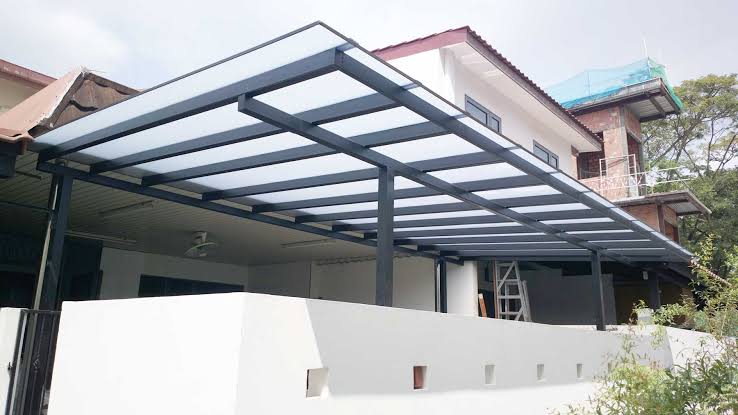
Choosing the right thickness for your polycarbonate roofing can feel like navigating a maze of technical specifications. Too thin and you risk compromising durability; too thick and you might be overspending on unnecessary material. The truth is, there’s no one-size-fits-all answer, but understanding how thickness affects performance will help you make an informed decision that balances cost, strength, and insulation properties.
Whether you’re covering a conservatory, carport, or commercial building, getting the thickness right matters more than you might think.
Polycarbonate Sheet Thickness Options
Polycarbonate roofing typically comes in thicknesses ranging from 4mm to 35mm, with the most common options being 4mm, 6mm, 10mm, 16mm, 25mm, and 35mm. Each thickness serves distinct purposes, and your choice should align with your specific roofing requirements.
Thinner sheets (4mm-6mm) are lightweight and budget-friendly, making them suitable for smaller projects where structural demands aren’t particularly high. However, they offer less insulation and may not withstand heavy snow loads or extreme weather conditions as effectively as their thicker counterparts.
Mid-range thicknesses (10mm-16mm) strike a balance between affordability and performance. These sheets provide improved thermal efficiency thanks to their multi-wall construction, while remaining relatively easy to handle during installation.
Matching Thickness to Your Project
For domestic applications like conservatories and patio covers, 10mm or 16mm sheets are often the sweet spot. These thicknesses deliver excellent heat retention during winter months and help keep spaces cooler in summer. The multi-wall structure creates air pockets that act as natural insulators, reducing energy costs over time.
When looking for smart polycarbonate roofing solutions, you’ll find that commercial and industrial projects typically require thicker options. Warehouses, agricultural buildings, and large canopies benefit from 25mm or 35mm sheets, which can span greater distances between supports without compromising structural integrity.
Carports and cycle shelters sit somewhere in between. A 6mm or 10mm sheet usually provides adequate protection while keeping costs reasonable. Consider your local climate too. Areas prone to heavy snowfall will need thicker sheets to handle the weight.
Key Factors Beyond Thickness
While thickness plays a crucial role, it’s not the only consideration. The quality of the polycarbonate material itself matters enormously. Look for sheets with UV protection on both sides, as this prevents yellowing and maintains clarity over the years.
The sheet’s structure also influences performance. Twin-wall, triple-wall, and multi-wall designs offer varying levels of insulation and strength. A 16mm triple-wall sheet, for instance, will outperform a 10mm twin-wall option in thermal efficiency, even though the thickness difference isn’t dramatic.
Don’t forget about the glazing bars and fixings you’ll use. Even the best polycarbonate sheet can underperform if improperly installed. Ensure your supporting structure can handle the sheet’s weight, particularly when opting for thicker panels.
Cost Considerations and Long-Term Value
Thicker sheets command higher prices, but they often represent better value over time. A 16mm sheet might cost more upfront than a 6mm alternative, but the improved insulation can reduce heating bills significantly. You’ll also benefit from enhanced durability, meaning fewer replacements down the line.
That said, don’t automatically assume thicker is always better. For temporary structures or budget-conscious projects where insulation isn’t critical, a thinner sheet might serve you perfectly well. The key is matching your choice to your actual needs rather than simply buying the thickest option available.
Making Your Final Decision
Selecting the right thickness for your polycarbonate roofing comes down to three main questions: What’s your budget? What are the structural requirements? How important is thermal efficiency?
For most residential applications, 10mm to 16mm sheets offer the best combination of performance and value. Commercial projects typically justify the investment in 25mm or 35mm options, while smaller structures can work well with 6mm sheets.
Take time to assess your specific situation, consider your local climate, and think about long-term benefits rather than just initial costs. With the right thickness choice, your polycarbonate roof will provide reliable protection and comfort for many years to come.
