


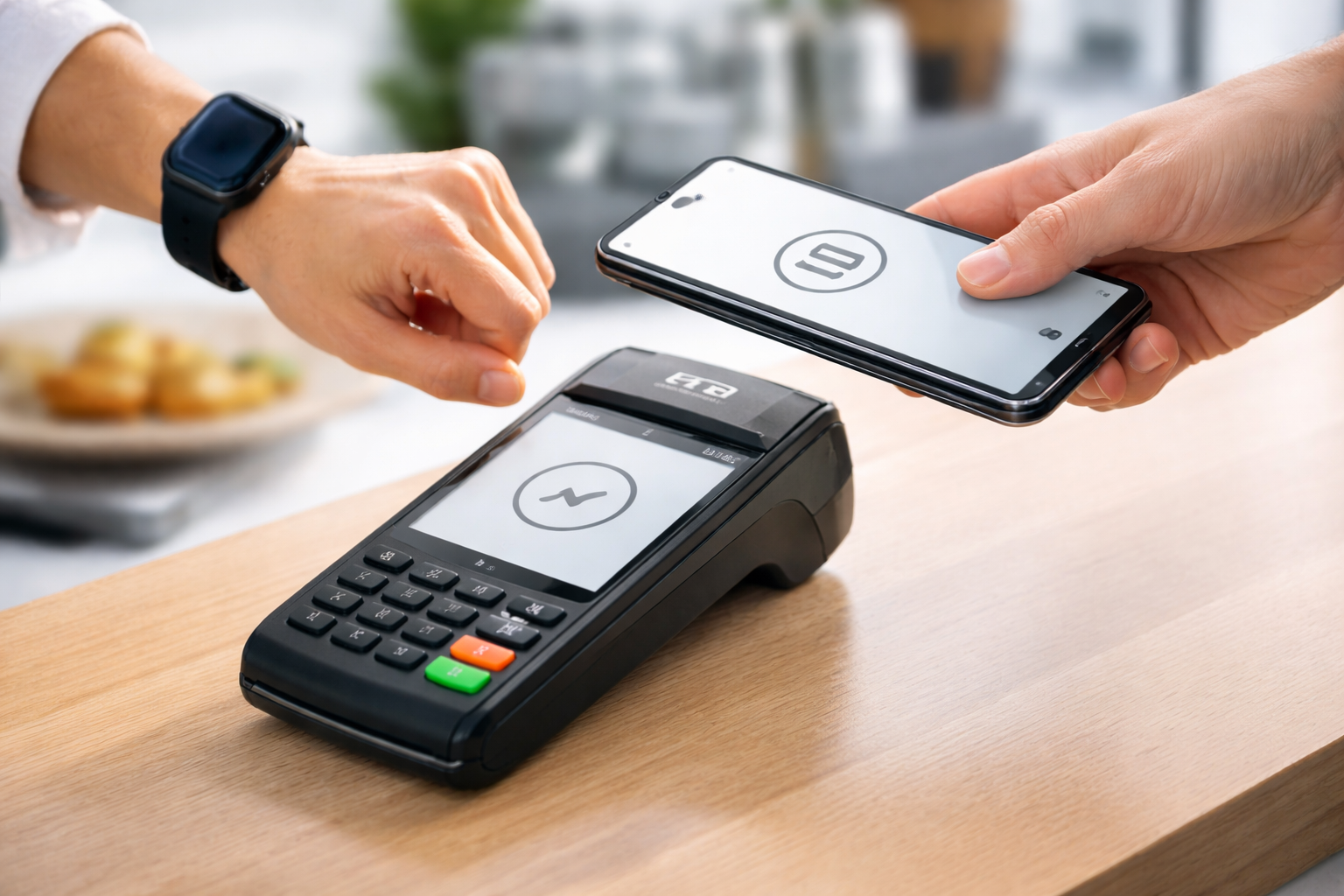
Customer expectations around checkout have changed rapidly. Whether in retail, hospitality, services, or field sales, people want to pay quickly, securely, and in the way they prefer—by contactless card, mobile wallet, or wearable. For merchants, a reliable payment terminal is therefore not just “equipment on the counter”, but a key part of the customer experience and day-to-day operations.
What a payment terminal really does for your business
At the simplest level, a terminal enables card acceptance. In practice, it also helps you standardize payment processes across teams, reduce errors during checkout, and keep better control of cash flow. For many businesses, it becomes the point where sales, refunds, daily closing, and transaction reporting connect—making reconciliation and accounting work more predictable.
Choosing the right type: one size rarely fits all
Selecting the right terminal is primarily about where and how you take payments:
- Countertop terminals are a classic choice for fixed checkout points. They suit stores with a stable sales flow and a consistent cashier setup.
- Portable terminals support service at the customer’s location—restaurant tables, hotel lobbies, pop-up points, or seasonal stands. This typically reduces queues and improves turnover during peak times.
- Smart, app-enabled terminals can support additional workflows (for example, staff management or operational tools), which may be helpful in businesses that want a more integrated device experience.
- Phone-as-terminal solutions can be useful where maximum mobility is required and you prefer minimal hardware. They can work well for certain service models, especially in the field.
What to look for beyond the device itself
A terminal should be evaluated as part of a broader payment setup. Key criteria typically include:
- Connectivity and stability: Wi-Fi, mobile data, or LAN options depending on your environment and risk tolerance.
- Security standards and authentication: secure processing is essential not only for compliance, but also for customer trust.
- Settlement speed and reporting: the ability to track transactions, filter payments, and export data for accounting saves time and reduces operational friction.
- Support and scalability: businesses grow, add locations, or operate seasonally—your payments infrastructure should scale accordingly.
The customer experience factor
From the customer’s perspective, a terminal is often the “last impression” of your service. Smooth payment acceptance, fast authorization, and support for popular payment methods reduce friction at checkout. Over time, this can have a measurable impact on repeat purchases and overall satisfaction—especially in sectors where speed and convenience are decisive.
A straightforward next step
If you are reviewing your in-store payment setup or planning to introduce card acceptance, it helps to compare options by business model and operating environment.
