


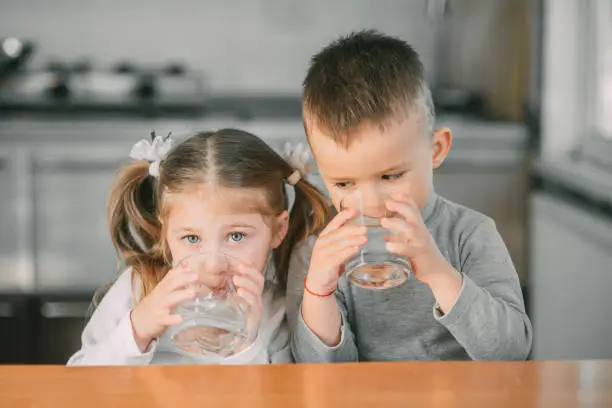
Water plays an important role in the healthy growth of children and infants. The quality of home water matters more than many parents realize. In today’s digital world, rising concerns about tap water quality are alarming, as many families are switching to filtered water, as it is a safer option for them.
But still many families are raising a frequent question: Is filtered water truly safe for babies and young children? Understanding what filtered is and how it affects a child’s developing body is important for making the right decision.
In this blog post, we are going to tell you what filtered water means, whether it is safe for infants and children, and how it can support their overall health. This guide aims to help parents feel confident and informed.
What is Filtered Water?
Filtered water is water that has been cleaned by effectively removing unwanted particles and harmful substances from tap water. It goes under a special water filter that helps reduce the amount of chlorine, dirt, metals, and other impurities that are found in tap water. The basic purpose of filtering is to make water safer, fresher, and cleaner for everyday use.
Is Filtered Water Safe for Children and Infants?
Yes, children and babies are usually able to drink filtered water without any danger as long as you are using an appropriate filter. Filtered water can help to eliminate potentially harmful elements from your municipal water supply (e.g., chlorine, lead, and bacteria).
Having access to clean water is important to the healthy digestion and development of a child. In addition, when using filtered water to mix formulas for babies, it can help to lessen the chance of becoming exposed to impurities and give parents peace of mind.
How is Filtered Water Safe for Children and Infants?
Here is how filtered water is safe for children and infants.
- Reduces Harmful Contaminants
Many parents choose to use filtered water for their children because they are concerned about what might be found in the municipal water supply. The municipal water supply is treated with chemicals such as chlorine and may contain lead, pesticides, or rust, and some municipalities may have industrial dumping sites in close proximity to the water supply, which can cause pollution.
While these contaminants are often present at low levels, a baby’s body is much more sensitive to these contaminants than an adult’s body. Filtered water helps reduce or eliminate these contaminants before they reach a child’s drinking glass and bottle.
As a result, parents can have peace of mind that their child will be exposed to fewer toxins, reducing the risk of long-term exposure to contaminants and contributing to an environment conducive to healthy growth and development.
- Supports a Child’s Developing Digestive System
The digestive systems of infants and young children are incredibly sensitive and still developing, so sometimes, even unfiltered water can cause an upset stomach (gas pains, mild reflux) due to the various chemical impurities in unfiltered water.
Filtered water does not contain the same level of hazardous chemicals as unfiltered water. Therefore, it will not place the same strain on their digestive system, thus helping children to remain hydrated.
- Create Safer Baby Formula and Foods
For those parents who use formula and prepare baby food at home on their own, water quality becomes even more important for them. Babies drink an excessive amount of liquid relative to their body weight, meaning even small impurities can add up over time.
Using filtered water to mix baby formula or prepare food helps reduce the amount of contamination. It also makes sure that the water does not alter the flavor or quality of the formula, making feeding time smoother.
Plenty of parents feel more confident after knowing that filtered water puts an extra level of safety when preparing food for their baby.
- Improves Taste and Supports Hydration
Children are surprisingly sensitive to taste, and water with a strong chlorine smell or metallic taste can discourage them from drinking sufficient water. Filtered water naturally tastes cleaner and fresher, making it more appealing to young kids.
It is natural that when water tastes good, children are more likely to drink enough water regularly. This helps establish healthy hydration habits early in life. Staying properly hydrated supports brain function, energy level, and physical development.
By offering filtered water, parents make it easier for children to enjoy drinking water rather than reaching for sugary drinks later on.
- Offers Consistent Quality and Peace of Mind
One of the less talked-about benefits of filtered water is consistency. Tap water quality can change due to old plumbing pipes, seasonal vacations, or local water treatment adjustments. A reliable water filter helps give you more consistent water quality after each passing day.
This consistency brings peace of mind for parents. When they know that their infants are drinking water that is completely free from contamination. This allows parents peace of mind and confidence.
Although filtered water is not a replacement for proper nutrition or healthcare, it plays a pivotal or supporting role in developing a healthier home environment for children and infants.
- A Simple and Safer Choice
Parenting is full of small decisions that add up over time, and selecting filtered water is one of those quiet but meaningful choices. It is not all about fear, even though it is all about care.
Filtered water gives parents confidence that they are doing something simple yet thoughtful for their infant on a regular basis. Knowing the water is cleaner allows families to focus less on worry and more on nurturing, growing, and enjoying those regular moments together.
Conclusion:
Filtered water can be a simple yet thoughtful step toward supporting a child’s health and daily well-being. By reducing unwanted particles and improving taste, it helps parents feel more confident about what their infants drink on a regular basis.
Although no single choice guarantees perfect health, clean, filtered water can quietly encourage health development and peace of mind at home. Hopefully, you will find this article valuable and interesting!
