


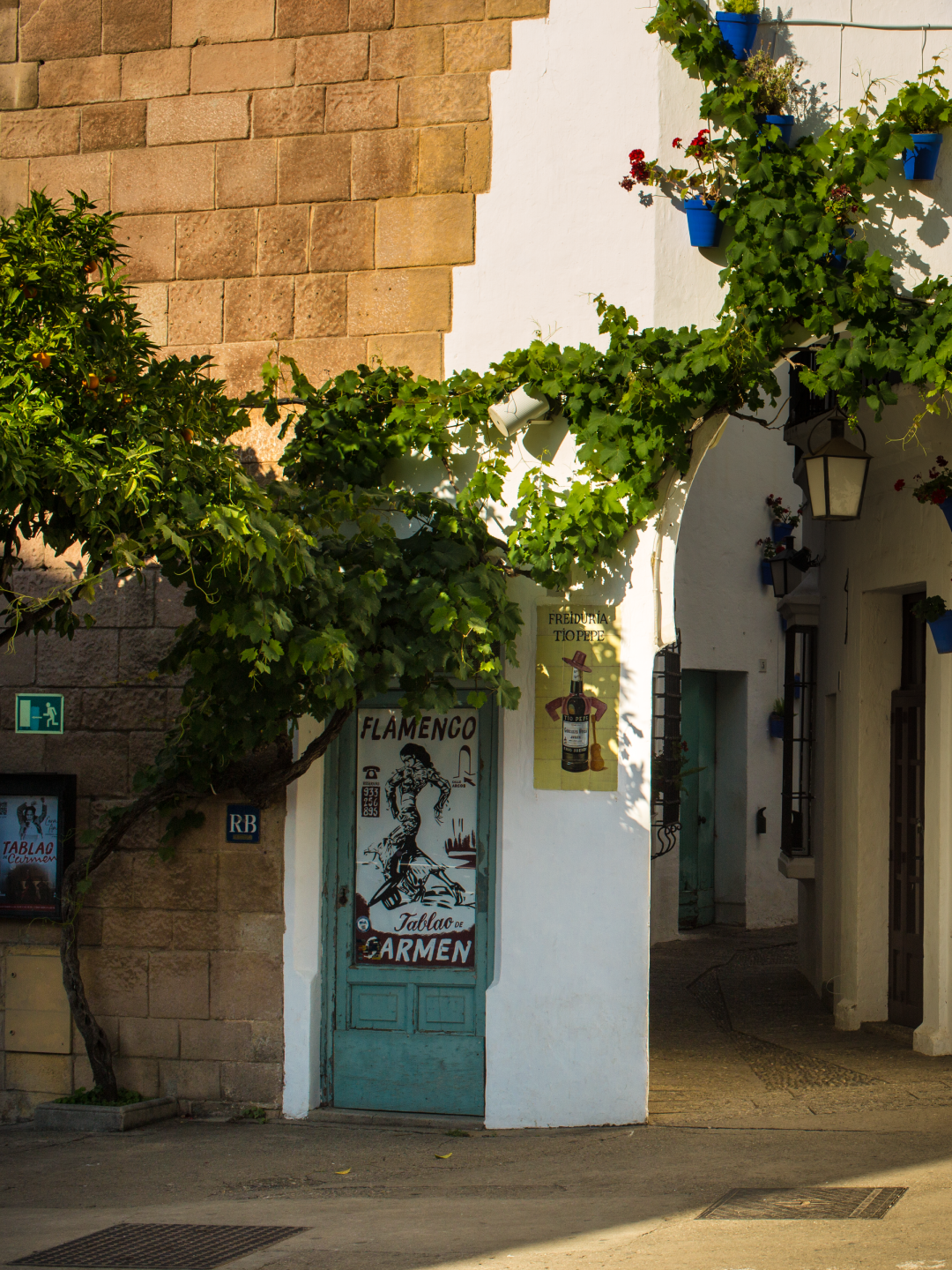
Most travel content about flamenco in Barcelona treats it like a checkbox. Something to do between Sagrada Família and a rooftop bar. Book a ticket, watch some stomping, move on. That framing misses the point entirely — and it also explains why so many people come back from Barcelona saying the flamenco felt staged. The difference between a forgettable night and one worth talking about usually comes down to one thing: where you go.
Not All Flamenco Experiences Are the Same
This sounds obvious until you actually start comparing options. Barcelona has no shortage of flamenco shows. There are basement tablaos with a two-drink minimum and an exit survey at the door. There are hotel shows bundled into package tours. There are pop-up performances in plazas designed for Instagram. And yes, there are serious venues.
What’s genuinely harder to find is an authentic flamenco experience — a space that treats flamenco as what it actually is. A complete art form with structure, depth, and a tradition that doesn’t respond well to being condensed into thirty minutes for a mixed crowd unfamiliar with the form.
Tablao de Carmen has been making that distinction since the 1980s. The name itself is a reference: Carmen Amaya, widely considered the most important flamenco dancer of the twentieth century and a foundational figure in modern flamenco history. That’s not marketing. It’s a standard the space sets for itself and has maintained across four decades.
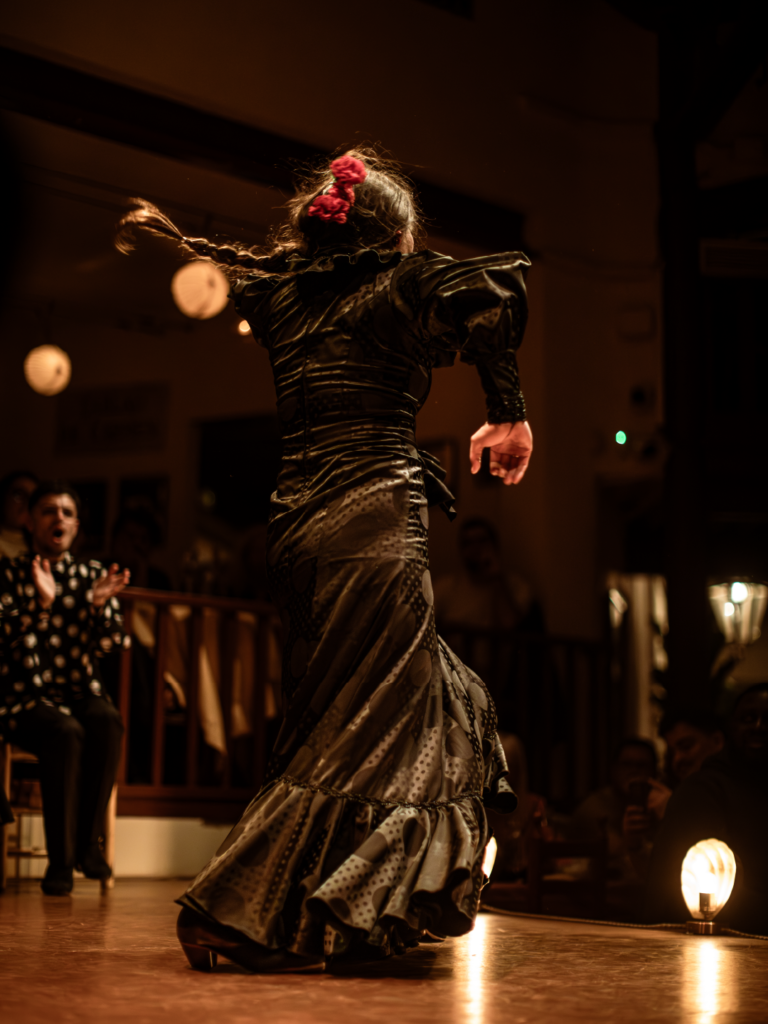
The performance is organized around traditional palos — the song forms with centuries of history embedded in them. Alegrías, tangos, soleás, bulerías. The cuadro artístico (ensemble) includes cantaores (singers), guitarists, and bailaores performing these forms not as choreographed routines but as living tradition. The show runs close to an hour, with a short ten-minute break. Nothing is cut for convenience.
Why Location and Context Matter More Than You’d Think
The tablao sits inside the Poble Espanyol, an open-air architectural museum built for the 1929 International Exhibition. It recreates 117 buildings from different regions of Spain at full scale — which sounds like a theme park until you’re actually walking through it as the light shifts over the stone facades in the early evening.
That context changes the entire experience. Arriving early means having time to move through craft workshops, visit the Fran Daurel Museum — which houses works by Picasso, Miró and Dalí — or simply sit with a drink while the city prepares for night. By the time the performance begins, the mood is already there. You’re not watching flamenco in an anonymous dark room. You’re watching it in a place with history, with architecture, with texture.
Most other flamenco venues in Barcelona exist in isolation — a basement, a dedicated performance space, sometimes a hotel ballroom. The Poble Espanyol location is genuinely unique.
Two Showtimes, Two Different Ways to Build Your Evening
There are two performances available each evening. The early show opens doors at 6:00 PM with the performance starting at 6:45 PM. The late show opens at 8:30 PM, with the flamenco beginning at 9:15 PM.
The early show suits people who want to experience an authentic flamenco performance and still have hours left to explore Barcelona afterward. The later show works better for those who want to lean into the evening properly, combining dinner with the performance without needing to rush anywhere else. Both feature the same artists and the same cuadro. The choice is really about how you want to structure your night.
Dinner Is Not Incidental Here
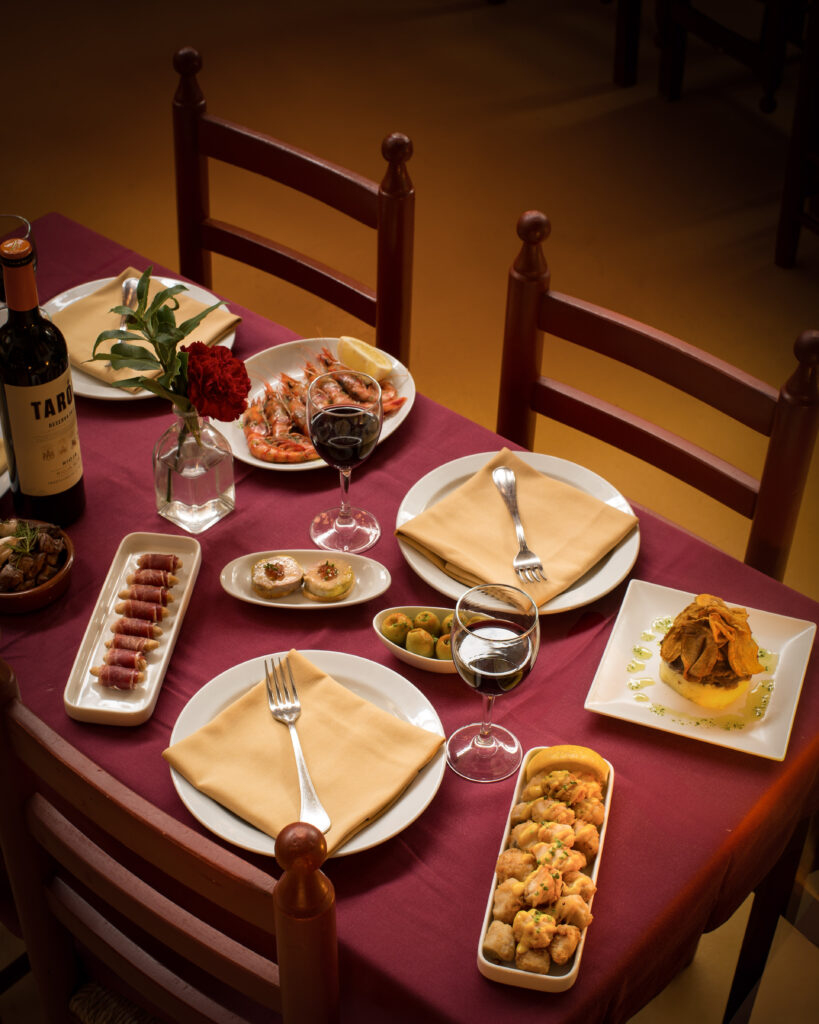
The gastronomy at Tablao de Carmen is Andalusian, and the menu is selected when you book — not improvised on arrival. Options accommodate vegetarian, vegan, gluten-free, lactose-free and halal diets without issue. Expect specialties like jamón ibérico, espetos (grilled sardines), rabo de toro (oxtail stew), seasonal gazpachos, and fresh grilled fish.
The Menú Estrella (Star Menu) includes front-row seating, which at a venue this intimate means sitting close enough to feel the floor vibrate when the dancers work, to see the precise footwork, to watch the moment when the performance becomes transcendent.
The setup isn’t dinner followed by entertainment. Everything happens in the same room, at the same time, with service that understands how to move around a live performance without disrupting it. This is the kind of experience where all the elements — food, performance, ambiance, timing — work together as one.
Location, Booking & Practical Information
Where it is: Av. de Francesc Ferrer i Guàrdia, 13, Barcelona
How to get there: The nearest metro stop is Plaza España on lines 1 and 3 — approximately 12 minutes’ walk from the station. If you’re using navigation apps, searching “Porta d’Àvila – Poble Espanyol” returns better results than the street address alone. The tablao is located before the Magic Fountain, not after.
Accessibility: Full accessibility for people with reduced mobility. Children are welcome, with a kids’ menu available up to age 12 and high chairs available upon request.
Dress code: Casual attire is fine. Avoid beachwear and sportswear.
Booking: Advance reservation is strongly recommended — the venue is intentionally small (approximately 100 seats per performance), and in high season (April–October) it fills regularly. Book your table and select your menu in advance to guarantee availability.
FAQ: Common Questions About Flamenco at Tablao de Carmen
How long is the show? The flamenco performance runs approximately 60 minutes, with a 10-minute intermission in the middle.
What exactly are “palos”? Palos are the traditional song and dance forms of flamenco, each with distinct rhythms, histories, and emotional properties. The performance typically includes alegrías (a joyful, energetic form), tangos (complex and rhythmic), soleás (deep and introspective), and bulerías (fast and percussive). Each palo has its own logic and tradition.
What’s the difference between this and other flamenco shows in Barcelona? The key difference is commitment to authenticity. Many Barcelona venues simplify flamenco for tourists — shorter shows, popular hits, spectacle over substance. Tablao de Carmen performs traditional palos in their full form, attracting both tourists and people with genuine knowledge of flamenco. The cuadro artístico are serious performers, not entertainment actors.
Can I bring children? Yes, children are welcome. A dedicated kids’ menu is available for ages 12 and under. Many families attend the early show (6:45 PM start) as it allows them to return to their accommodation at a reasonable hour.
What should I wear? There’s no strict dress code, but remember this is a proper dining experience combined with a cultural performance. Casual clothing is fine. Avoid beachwear, flip-flops, or athletic wear.
When should I arrive? Arrive at your reserved time — the staff manages seating and service according to the schedule. If you want to explore Poble Espanyol before the show, the early performance (6:45 PM) gives you more daylight hours to walk around.
Why This Matters: Choosing Carefully Over Choosing Randomly
Barcelona’s flamenco scene is genuinely confusing if you don’t know what you’re looking at. The city capitalizes on the fame of the art form, which means venues exist at every price point and level of authenticity. Some are excellent. Some are competent. Some are designed purely for tourists who want to say they saw flamenco.
The difference isn’t always obvious from a distance. It’s not about the venue being expensive or prestigious. It’s about whether the people running it understand that flamenco — real flamenco — requires something from the audience. It requires paying attention. It requires allowing the performance space, the tradition, the skill to matter.
Tablao de Carmen is built on the premise that this matters. That authenticity isn’t negotiable. That flamenco is better experienced well than experienced often.
In a city with countless ways to spend an evening, this distinction is worth knowing.
