


When businesses compare payment solutions, the first question is often simple: how much does a payment terminal cost? In practice, the payment terminal price is shaped by several factors that go beyond the device itself. Understanding these elements helps merchants evaluate costs realistically and choose a solution that fits both their operations and long-term growth.
Hardware is only one part of the equation
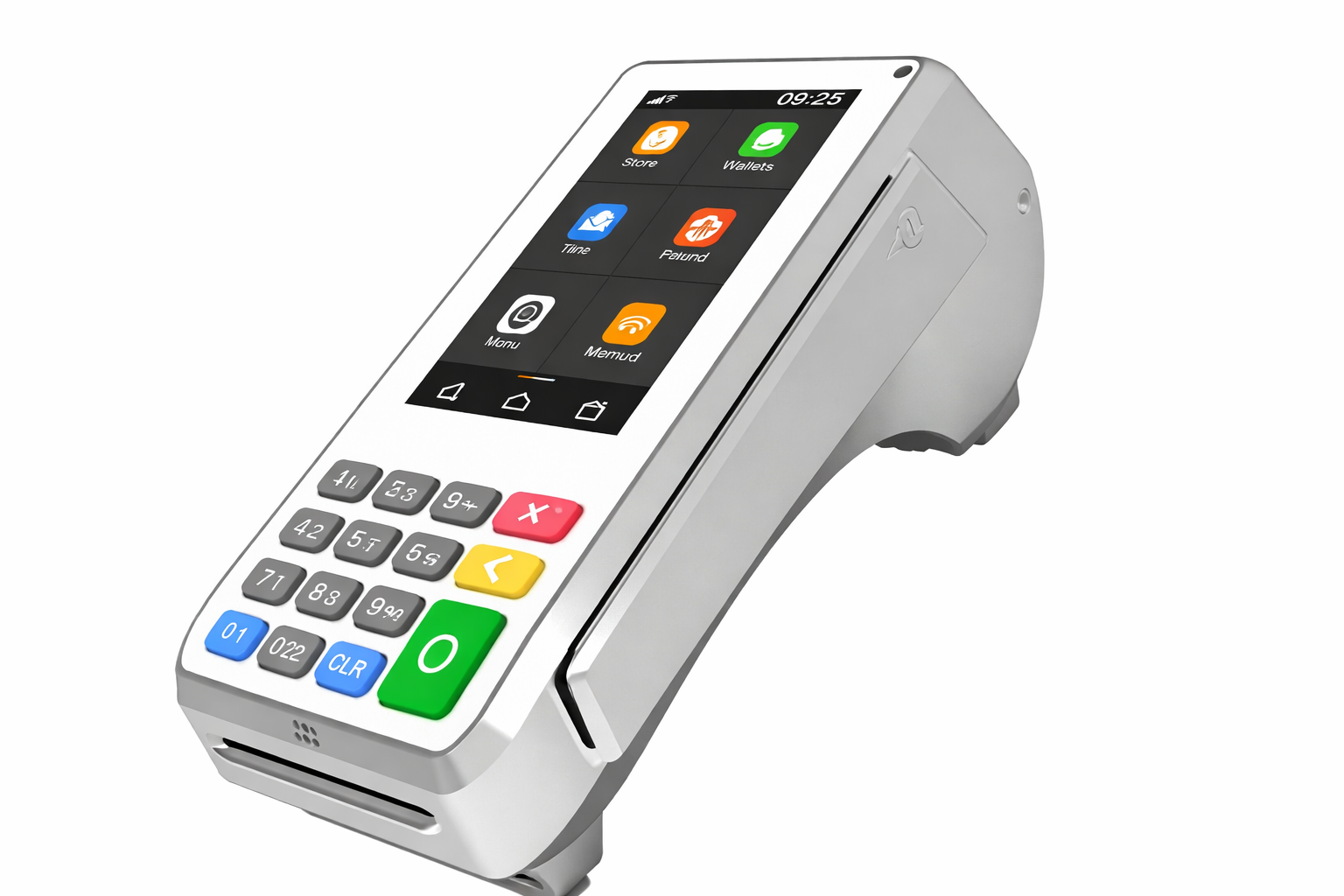
At a basic level, a payment terminal is physical hardware. Prices vary depending on whether the terminal is a fixed countertop device, a portable unit or a smart terminal with an operating system and applications. More advanced models typically offer faster processing, better connectivity and broader payment method support, which is reflected in the upfront cost.
However, focusing only on the purchase price can be misleading. For many businesses, the terminal is provided as part of a broader payment setup, where hardware is just one component of the total cost structure.
Transaction fees and ongoing costs
A key element influencing the effective payment terminal price is how transactions are charged. Fees may depend on card type, transaction volume or business category. For merchants with higher turnover, even small differences in transaction pricing can have a significant impact over time.
Some pricing models include monthly service fees, software updates or support, while others bundle these services into transaction costs. Comparing offers therefore requires looking at total monthly or annual costs, not just the initial expense.
Connectivity, reliability and support
Reliable connectivity is critical for in-person payments. Terminals that support multiple connection types—such as LAN, Wi-Fi or mobile data—often provide greater resilience but may affect pricing. Equally important is technical support: fast assistance and replacement options reduce downtime, which can be more costly than the terminal itself.
From a business perspective, reliability and service quality often justify a higher price if they prevent lost sales during peak hours.
Matching the terminal to the business model
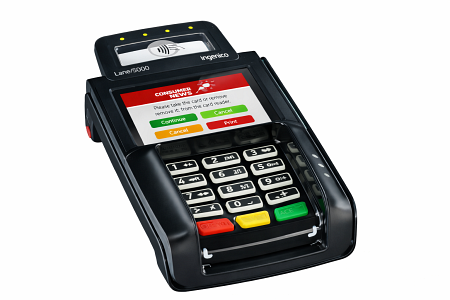
The “right” payment terminal price depends on how and where payments are accepted. A small retailer with steady daily transactions may prioritize low per-transaction costs, while a mobile service provider may value portability and flexibility more than minimal hardware pricing.
Evaluating terminals in the context of real usage—transaction volume, customer behavior and operating environment—leads to better cost decisions than comparing prices in isolation.
Looking beyond the number on the invoice
Ultimately, payment terminal pricing should be viewed as an investment in smoother operations and customer experience. Faster checkouts, support for contactless and mobile payments, and stable performance all contribute to higher satisfaction and repeat business.
A practical overview of available options and pricing considerations for a modern payment terminal price helps businesses understand how costs align with functionality and long-term value, rather than focusing solely on the lowest upfront figure.
